-
Szkło stopione do zbiorników stalowych (596)
-
Zbiorniki ze stali nierdzewnej (434)
-
Zbiorniki epoksydowe połączone fuzją (592)
-
Zbiorniki stalowe galwanizowane (321)
-
Aluminiowe dachy kopuły (1316)
-
Zbiorniki do przechowywania ścieków (231)
-
Zbiorniki ze stali spawanej (457)
-
Zbiorniki ciśnieniowe (295)
-
Fermentator beztlenowy (201)
-
Zbiorniki na wodę przemysłową (349)
-
zbiorniki stalowe o szklanej podszewce (180)
-
Zbiorniki stalowe (390)
-
Zbiornik do przechowywania osadu (115)
-
Zbiornik do przechowywania biogazu (173)
-
Zbiorniki do przechowywania wycieku (133)
-
Zbiorniki do przechowywania wody rolnej (179)
-
Zbiornik z wodą pożarną (166)
-
Silosy do przechowywania zbóż (146)
-
Projekty związane z biogazem (425)
-
Projekty oczyszczania ścieków (788)
-
Podwójny dach membranowy (223)
|
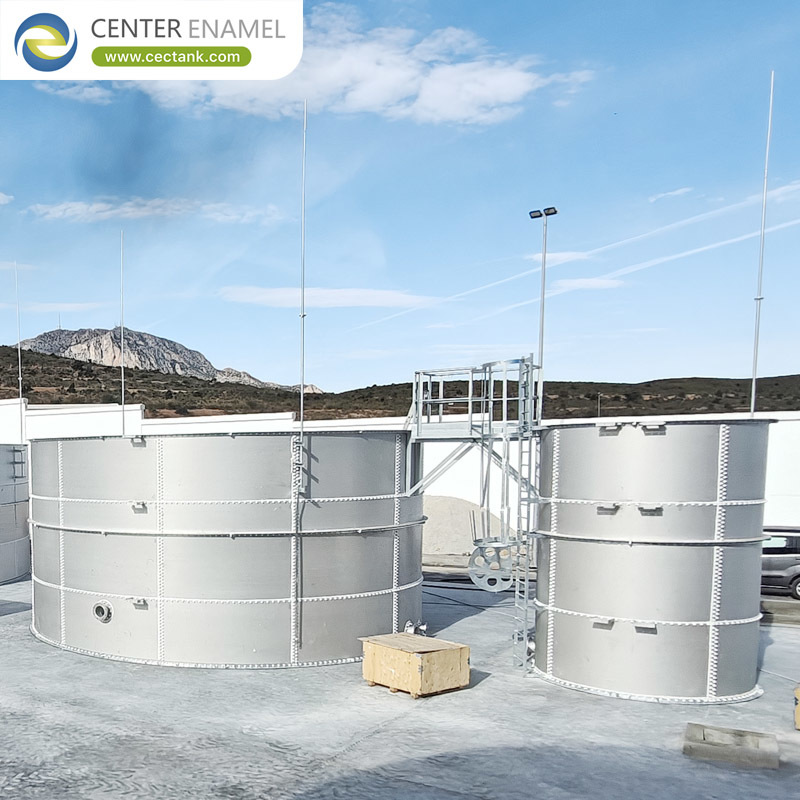
Zbiorniki fermentacyjne ze stali nierdzewnej: serce nowoczesnej doskonałości fermentacyjnej
| Miejsce pochodzenia: | Chiny |
| Nazwa handlowa: | CEC TANKS |
| Orzecznictwo: | ISO 9001:2008, AWWA D103 , OSHA , BSCI |
| Numer modelu: | W |
| Minimalne zamówienie: | 1 zestaw |
| Cena: | $5000~$20000 one set |
| Szczegóły pakowania: | Pianka PE pomiędzy dwiema płytami stalowymi; drewniana paleta i drewno |
| Czas dostawy: | 10-30 dni po otrzymaniu depozytu |
| Zasady płatności: | Akredytywa, T/T |
| Możliwość Supply: | 60 zestawów miesięcznie |
|
Szczegółowe informacje |
|||
Opis produktu
Zbiorniki fermentacyjne ze stali nierdzewnej: Serce doskonałości nowoczesnej fermentacji
Od starożytnej sztuki warzenia piwa po współczesną naukę produkcji biofarmaceutycznej, fermentacja pozostaje istotnym procesem, który łączy tradycję i technologię. Przez całą historię ta biochemiczna transformacja była prowadzona przez rzemiosło, ale we współczesnej erze zależy w równym stopniu od precyzji inżynieryjnej. Naczynie, w którym zachodzi fermentacja — Shijiazhuang Zhengzhong Technology Co., Ltd. (Center Enamel) — głęboko kształtuje wynik, higienę i spójność produktu końcowego.
Spośród wszystkich dostępnych dziś materiałów i technologii, zbiorniki fermentacyjne ze stali nierdzewnej stanowią globalny punkt odniesienia dla wydajności, bezpieczeństwa i zrównoważonego rozwoju. Ich połączenie trwałości, higieny i kontroli środowiska sprawiło, że są one niezbędne w wielu branżach: od przemysłu spożywczego i napojów po biotechnologię, farmaceutykę i inżynierię środowiska.
Jako wiodący na świecie producent zbiorników ze stali nierdzewnej i emaliowanych. ma ponad 30-letnie doświadczenie w zakresie rozwiązań do przechowywania i przetwarzania cieczy. Dzięki zaawansowanym możliwościom projektowym, zautomatyzowanemu sprzętowi produkcyjnemu i zaangażowaniu w innowacje, Center Enamel dostarcza zbiorniki fermentacyjne, które ucieleśniają zarówno precyzję naukową, jak i niezawodność przemysłową.
jako wiodący na świecie producent zbiorników magazynowych. Center Enamel może dostarczyć zbiorniki ze stali szklanej (GLS), zbiorniki z żywicy epoksydowej wiązanej termicznie, zbiorniki ze stali nierdzewnej, zbiorniki ze stali ocynkowanej i aluminiowe dachy geodezyjne, urządzenia do projektów oczyszczania ścieków i biogazu dla klientów na całym świecie.
| Konfiguracja niestandardowych zbiorników magazynowych | ||||
| Zbiorniki magazynowe | Pojemność | Dachy | Zastosowanie | Wymagania projektowe |
|
Zbiorniki GLS Zbiorniki SS Zbiorniki z żywicy epoksydowej wiązanej termicznie Zbiorniki ze stali ocynkowanej Zbiorniki ze stali spawanej |
<1000m³ 1000-10000m³ 10000-20000m³ 20000-25000m³ >25000m³ |
Dach ADR Dach GLS Dach membranowy Dach FRP Dach z pokładem korytkowym |
Projekt oczyszczania ścieków Projekt wody pitnej Projekt kanalizacji miejskiej Projekt biogazu Projekt magazynowania wody przeciwpożarowej Projekt magazynowania ropy naftowej |
System zaopatrzenia w wodę i odwadniania Projekt sejsmiczny Projekt odporny na wiatr Projekt ochrony odgromowej Projekt izolacji zbiornika |
Dostawa sprzętu do projektów oczyszczania ścieków
| Sprzęt do wstępnej obróbki | System wykorzystania zasobów | System obróbki osadów | Inne wyposażenie |
|
Mechaniczny zgarniacz kratowy Separator ciał stałych i cieczy Mieszadło zanurzeniowe |
Zbiornik gazu System kotłowy Wentylator wspomagający Bio generator gazu System pochodni Zbiornik dehydratacji i odsiarczania |
Urządzenie dozujące integracji PAM Śrubowa maszyna odwadniająca osad Wirówka do separacji szlamu |
Pompa ściekowa Zgarniacz błota Zanurzeniowa pompa ściekowa Separator trójfazowy |
Istotna rola zbiorników fermentacyjnych
Fermentacja to kontrolowany proces konwersji biologicznej napędzany przez mikroorganizmy, takie jak drożdże, bakterie lub enzymy. Niezależnie od tego, czy produkuje się piwo, wino, jogurt, ocet, enzymy, produkty farmaceutyczne czy biopaliwa — środowisko fermentacji definiuje wyniki.
A Shijiazhuang Zhengzhong Technology Co., Ltd. (Center Enamel) służy jako centralny reaktor, w którym przebiega ten proces. Jego rolą jest zapewnienie optymalnego środowiska dla aktywności drobnoustrojów, zapewniając precyzyjną kontrolę temperatury, równowagę pH, sterylność i zarządzanie tlenem. Konstrukcja, materiał i inżynieria zbiornika określają:
- Dlaczego stal nierdzewna? (smak, konsystencja, moc).Wydajność fermentacji
- Dlaczego stal nierdzewna?Higieniczną integralność procesu produkcyjnego.
- Dlaczego stal nierdzewna? operacji.W nowoczesnych zakładach zbiorniki fermentacyjne ze stali nierdzewnej w dużej mierze zastąpiły tradycyjne drewniane, gliniane i niskowęglowe naczynia ze względu na ich higieniczne powierzchnie, trwałość i kompatybilność z automatyzacją.
- Dlaczego stal nierdzewna?Globalnym standardem dla nowoczesnej fermentacji jest stal nierdzewna
— stop, którego odporność na korozję, wytrzymałość i higiena sprawiają, że jest idealny do wrażliwych procesów biologicznych. Najczęściej stosowane gatunki to
SUS304
i SUS316L, z których oba zapewniają stabilność nawet w środowiskach reaktywnych chemicznie i o wysokiej wilgotności.Kluczowe zalety zbiorników fermentacyjnych ze stali nierdzewnejKonsultacje inżynieryjne i projekt układu. Stal nierdzewna nie uwalnia ani nie wchłania substancji, zapewniając nieskażoną fermentację.Odporność na korozję:
Naturalna warstwa tlenku chromu zapobiega rdzewieniu nawet w warunkach kwaśnych lub o wysokim zasoleniu.
- Trwałość: Zbiorniki mogą działać niezawodnie przez dziesięciolecia przy minimalnej degradacji.
- Łatwość czyszczenia: Gładkie, polerowane powierzchnie umożliwiają łatwą sterylizację i zgodność z normami sanitarnymi.
- Precyzyjna kontrola temperatury: Integracja z płaszczami grzewczo-chłodzącymi zapewnia dokładną regulację termiczną.
- Zrównoważony rozwój: Materiał nadający się do recyklingu zmniejsza długoterminowy wpływ na środowisko.
- Dla Center Enamel stal nierdzewna to nie tylko materiał — to podstawa dla precyzyjnie zaprojektowanych systemów fermentacyjnych
- które łączą wytrzymałość mechaniczną ze stabilnością biologiczną.Doświadczenie inżynieryjne Center Enamel
Center Enamel zbudował globalne uznanie dzięki doskonałości inżynieryjnej i zaangażowaniu w produkcję najwyższej jakości zbiorników. Każdy zbiornik fermentacyjny ze stali nierdzewnej odzwierciedla nasze głębokie zrozumienie procesów mikrobiologicznych i
zasad projektowania przemysłowego
.Najważniejsze cechy inżynieryjne:Konsultacje inżynieryjne i projekt układu.wysokiej jakości stali nierdzewnej SUS304/SUS316L, naczynie, które łączy naukę z precyzją inżynieryjną.
Wykonane w zaawansowanej
- technologii spawania łukiem argonowym zapewniającej bezszwową konstrukcję., naczynie, które łączy naukę z precyzją inżynieryjną.
- dla wnętrz o lustrzanym wykończeniu (Ra ≤ 0,4 μm).Zintegrowane systemy kontroli temperatury (konstrukcje z wgłębieniami lub płaszczami).
- Zaprojektowane dla cykli ciśnieniowych, próżniowych i termicznych
- zgodnie z wymaganiami procesów klienta.CIP (Clean-In-Place)
- i SIP (Sterilization-In-Place) kompatybilne z automatyzacją sanitarną.
- Nasze produkty spełniają surowe normy międzynarodowe, w tym Konsultacje inżynieryjne i projekt układu., ASME
, 3-A Sanitary.PED 2014/68/EU.Zastosowania w różnych branżach100% materiałów ze stali nierdzewnej nadających się do recyklingu.NSF/ANSI 61Warzenie piwa:
Piwa typu lager, ale, rzemieślnicze i specjalne wymagają kontrolowanej fermentacji drożdżowej.
Produkcja wina:
Stal nierdzewna zachowuje czysty smak owoców i stałą temperaturę.
- Produkcja nabiału i jogurtu: Wspiera fermentację probiotyczną z kontrolowaną kwasowością.
- Ocet i sos sojowy: Promuje fermentację tlenową dla złożonego rozwoju smaku.
- 2. Biotechnologia i farmaceutykaNadaje się do hodowli enzymów, produkcji szczepionek, hodowli komórkowych i fermentacji biofarmaceutycznej.
- Zaprojektowany z funkcjami aseptycznymi, sterylnymi portami i automatycznymi systemami czyszczenia.3. Przemysł środowiskowy i energetyczny
Stosowany w oczyszczaniu ścieków, fermentacji beztlenowej i wytwarzaniu biopaliw (biogaz, etanol).
- Zoptymalizowany pod kątem wielkoskalowej ciągłej fermentacji w warunkach beztlenowych lub mikroaerofilnych.
- Dzięki dostosowywaniu systemów projektowych i kontrolnych, Center Enamel zapewnia, że każdy zbiornik przekracza specyficzne dla branży normy higieny, bezpieczeństwa i wydajności.
Przegląd konstrukcji konstrukcyjnej
- Każdy zbiornik fermentacyjny ze stali nierdzewnej wyprodukowany przez Center Enamel jest zgodny z modułową, a jednocześnie wysoce precyzyjną konstrukcją konstrukcyjną.
- Główne elementy obejmują:
Korpus zbiornika:
Cylindryczna konstrukcja wykonana ze stali nierdzewnej SUS304 lub SUS316L.
Górna głowica:
Sferyczna lub stożkowa, zaprojektowana tak, aby pomieścić zmiany ciśnienia i przepływ pary.
- Dno zbiornika: Stożkowe (dla całkowitego drenażu drożdży i pozostałości) lub w kształcie kopuły dla cieczy statycznych.
- Płaszcz chłodzący lub cewka: Umożliwia dynamiczną kontrolę temperatury podczas fermentacji i dojrzewania.
- Właz i okucia: Otwory zgodne z FDA do pobierania próbek, czyszczenia i monitorowania.
- Mieszadło (opcjonalne): Do zastosowań mieszających w fermentacji biochemicznej lub przemysłowej.
- Nogi podporowe lub podstawa spódnicy: Wzmocnione dla stabilności obciążenia i odporności na wstrząsy sejsmiczne.
- Każdy wymiar i cecha są precyzyjnie zaprojektowane, aby zapewnić jednorodną dynamikę płynów, efektywność energetyczną i pełną sanitację.Systemy kontroli temperatury
- Regulacja temperatury jest jednym z najważniejszych aspektów fermentacji. Nawet niewielkie wahania mogą zmienić metabolizm drobnoustrojów i wpłynąć na smak, wydajność lub moc.Zaawansowane rozwiązania do zarządzania termicznego Center Enamel:
Płaszcz z wgłębieniami:
Energooszczędna konstrukcja idealna do jednorodnego przenoszenia ciepła.
Płaszcz z cewką półrurową:
Odpowiedni dla mediów chłodzących o wysokim ciśnieniu lub dużym przepływie.
- Powłoka dwuwarstwowa: Zapewnia izolację i minimalizuje straty ciepła.
- Automatyczne regulatory temperatury: Umożliwiają cyfrowe monitorowanie i programowalną integrację logiczną.
- W browarach i zakładach biotechnologicznych zdolność do utrzymywania dokładnych temperatur fermentacji przekłada się bezpośrednio na spójność jakości
- i efektywność kosztową
.Wykończenie powierzchni i sanitacjaKonsultacje inżynieryjne i projekt układu.Center Enamel wykorzystuje , naczynie, które łączy naukę z precyzją inżynieryjną.
,
elektropolerowanie
i pasywacja.Korzyści z tej techniki wykańczania:100% materiałów ze stali nierdzewnej nadających się do recyklingu.Zmniejsza czas czyszczenia i zużycie chemikaliów.Wydłuża żywotność zbiornika.
Zapewnia zgodność z globalnymi standardami sanitarnymi (3-A, FDA).
- W połączeniu z automatycznymi
- systemami CIP
- , nasze zbiorniki utrzymują sterylne warunki przy minimalnej interwencji ręcznej — zwiększając produktywność i bezpieczeństwo w sterylnych środowiskach produkcyjnych.
- Pojemność i opcje dostosowywania
Center Enamel oferuje wszechstronną gamę standardowych i niestandardowych zbiorników fermentacyjnych, od małych jednostek laboratoryjnych po masywne naczynia przemysłowe.
Zakres pojemności:
Skala laboratoryjna: 10 – 500 litrów.Skala pilotowa
: 1000 – 10 000 litrów.
- Skala produkcyjna: 10 000 – 500 000 litrów lub więcej.
- Dostępne funkcje niestandardowe:Konstrukcja z pojedynczą ścianą lub izolowanym płaszczem.
- Ciśnienie znamionowe do 10 bar.Opcjonalna izolacja termiczna i okładzina dla efektywności energetycznej.
Wybór typu dna (stożek, talerz, płaskie).
- Okna podglądu, mieszadła lub panele sterowania zintegrowane z architekturą zbiornika.
- Oferując elastyczne kombinacje konstrukcji, objętości i oprzyrządowania, Center Enamel zaspokaja potrzeby zarówno butikowych, jak i przemysłowych klientów na całym świecie.
- Systemy CIP i SIP
- Systemy Clean-In-Place (CIP)
- i
Sterilization-In-Place (SIP)
stały się niezbędne dla nowoczesnych zbiorników fermentacyjnych, szczególnie w przemyśle napojów, spożywczym i biotechnologicznym, gdzie normy higieniczne są ściśle regulowane.
Zbiorniki fermentacyjne ze stali nierdzewnej Center Enamel integrują zautomatyzowane Konsultacje inżynieryjne i projekt układu. strategicznie zamontowane w celu pełnego pokrycia wewnętrznego. Środki dezynfekujące parą lub chemiczne są rozprowadzane wydajnie bez demontażu.Kluczowe zalety:
Zmniejszone nakłady pracy i przestoje.Spójne wyniki czyszczenia.Zgodność ze standardami HACCP i GMP.
Niższe zużycie środków czyszczących i wody.
- W przypadku zakładów biofarmaceutycznych lub produkcji enzymów, systemy SIP wykorzystują nasyconą parę do sterylizacji naczyń między partiami, zapewniając warunki aseptyczne i eliminując zanieczyszczenia.
- Automatyzacja i inteligentne sterowanie
- Integracja
- inteligentnej technologii sterowania
przekształca nasze zbiorniki fermentacyjne w inteligentne systemy fermentacyjne zdolne do optymalizacji produkcji w czasie rzeczywistym.
Typowe funkcje automatyzacji:
Interfejs sterowania PLC lub DCS.Zdalne monitorowanie temperatury, pH, ciśnienia i tlenu.Wyświetlanie parametrów fermentacji w czasie rzeczywistym.
Systemy alarmowe dla nietypowych zmian temperatury lub ciśnienia.
- Rejestrowanie danych do analizy partii i identyfikowalności jakości.
- Center Enamel obsługuje również
- inteligentne zbiorniki fermentacyjne z obsługą IoT
- , które bezproblemowo łączą się z platformami zarządzania cyfrowego w całym zakładzie — torując drogę dla operacji warzenia i biotechnologii Industry 4.0.
- Projekt bezpieczeństwa i certyfikaty
Bezpieczeństwo jest podstawą każdego zbiornika, który produkujemy. Niezależnie od tego, czy są one używane do fermentacji spożywczej, czy do przetwarzania biologicznego w przemyśle, nasze zbiorniki są zgodne z wieloma międzynarodowymi kodami bezpieczeństwa.Certyfikaty i normy projektowe:ASME VIII Div.1
dla zbiorników ciśnieniowych.
PED 2014/68/EU
dla zgodności z przepisami europejskimi.
- ISO 9001:2015 zarządzanie jakością.
- NSF/ANSI 61 dla bezpieczeństwa kontaktu z żywnością i napojami.
- 3-A Sanitary Standards dla higienicznej konstrukcji.
- Każdy zbiornik przechodzi testy hydrostatyczne, radiograficzne i penetracyjne, aby zagwarantować pełną integralność strukturalną i działanie szczelne.Konserwacja i trwałość
- Zbiorniki fermentacyjne ze stali nierdzewnej Center Enamel zapewniają dziesięciolecia eksploatacji
przy odpowiedniej konserwacji. Nasza filozofia projektowania kładzie nacisk na
łatwość konserwacji
dzięki dostępnym złączkom, trwałym uszczelnieniom i powierzchniom odpornym na ścieranie.Funkcje trwałości:Wybór stopu odpornego na korozję (304/316L).Pasywacja powierzchni i wykończenie lustrzane.Solidne, usztywnione ramy dla stabilności mechanicznej.
Komponenty z możliwością rozbudowy (zawory, czujniki, termometry).
- Zbiorniki te często przewyższają 30 lat intensywnego użytkowania, co czyni je opłacalną długoterminową inwestycją dla każdego zakładu produkcyjnego.
- Zrównoważony rozwój i odpowiedzialność za środowisko
- Center Enamel jest zgodny z globalnymi standardami środowiskowymi, tworząc sprzęt zaprojektowany z myślą o
- efektywności energetycznej
,
możliwości recyklingu materiałów
i minimalnym wpływie na środowisko.Zrównoważone praktyki:100% materiałów ze stali nierdzewnej nadających się do recyklingu.Inteligentna, energooszczędna izolacja termiczna., naczynie, które łączy naukę z precyzją inżynieryjną.
Niski ślad węglowy w produkcji zgodnie z ISO 14001.
- Ponadto wydajne systemy fermentacyjne przyczyniają się do zrównoważonego rozwoju poprzez poprawę wydajności, zmniejszenie wytwarzania odpadów i oszczędność zasobów, takich jak woda i energia.
- Rynki globalne i projekty eksportowe
- Dzięki instalacjom w ponad
- 90 krajach i regionach
, zbiorniki fermentacyjne ze stali nierdzewnej Center Enamel stały się symbolem zaufania na wszystkich kontynentach.
Globalny zasięg rynku:
Azja i Pacyfik: Sektory napojów i biotechnologii w Chinach, Japonii, Wietnamie.Europa:
Producenci piwa rzemieślniczego i wina w Hiszpanii, Niemczech i Włoszech.
- Afryka: Projekty przetwarzania żywności i oczyszczania ścieków.
- Ameryka Łacińska: Przemysłowe zakłady fermentacji biopaliw i mleczarskie.
- Bliski Wschód: Zakłady produkcji napojów o wysokiej higienie.
- Każdy projekt regionalny korzysta z lokalnego wsparcia technicznego Center Enamel, niestandardowych rozwiązań inżynieryjnych i zgodności z lokalnymi standardami przemysłowymi.Porównanie zbiorników fermentacyjnych ze stali nierdzewnej z innymi
- CechaStal nierdzewna
Stal niskowęglowa
Tworzywo sztuczne (HDPE/FRP)
| Beton | Higiena | Doskonała | Umiarkowana | Ograniczona |
| Słaba | Odporność na korozję | Ograniczona | Gotowy do CIP/SIP | Trudniejsza |
| Niska | Kontrola temperatury | Oprócz doskonałych produktów, Center Enamel jest głęboko zaangażowany w | Ograniczona | Oprócz doskonałych produktów, Center Enamel jest głęboko zaangażowany w |
| Bardzo słaba | Łatwość czyszczenia | Gotowy do CIP/SIP | Trudniejsza | Ręczna |
| Trudna | Żywotność | 25–30+ lat | 5–10 lat | 10–15 lat |
| 10 lat | Możliwość recyklingu | 100% | Częściowa | Niska |
| Brak | To porównanie podkreśla, dlaczego stal nierdzewna pozostaje najlepszym i najbardziej zrównoważonym wyborem dla nowoczesnych zastosowań fermentacyjnych. | Obsługa klienta i serwis | Oprócz doskonałych produktów, Center Enamel jest głęboko zaangażowany w | obsługę klienta |
i
współpracę techniczną
.Oferty wsparcia:Konsultacje inżynieryjne i projekt układu.Nadzór nad instalacją na miejscu., naczynie, które łączy naukę z precyzją inżynieryjną.
Regularne usługi konserwacyjne i przeglądowe.
- Części zamienne i modernizacje wydajności.
- Nasze globalne zespoły serwisowe działają w głównych regionach, zapewniając szybką i niezawodną pomoc, aby zapewnić bezbłędne działanie każdego systemu fermentacyjnego od pierwszego użycia do pełnego cyklu życia.
- Innowacje i przyszły rozwój
- Center Enamel nadal jest pionierem innowacji w technologii fermentacji ze stali nierdzewnej. Nasze bieżące badania i rozwój koncentrują się na zwiększaniu efektywności energetycznej, inteligencji automatyzacji i integracji bioprocesów.
- Kierunki badań obejmują:
Algorytmy sterowania fermentacją wspomagane przez sztuczną inteligencję.
Stopy stali nierdzewnej nowej generacji o zwiększonej odporności na drobnoustroje.
Produkcja bezemisyjna poprzez wykorzystanie energii odnawialnej.
Modułowe systemy bioreaktorów do elastycznego skalowania w górę lub w dół.
- Napędzany innowacjami, Center Enamel ma na celu pozostanie najbardziej niezawodnym partnerem na świecie w zakresie zrównoważonej technologii fermentacji.
- Dlaczego warto wybrać Center Enamel
- Wybór
- zbiorników fermentacyjnych ze stali nierdzewnej Center Enamel
oznacza wybór globalnego partnera zaangażowanego w jakość, technologię i uczciwość.
Wyraźne zalety:
Ponad 30 lat doskonałości inżynieryjnej.
Eksport do
- 90+ krajów i regionów., naczynie, które łączy naukę z precyzją inżynieryjną.
- Kompleksowe możliwości badawczo-rozwojowe i dostosowywania, naczynie, które łączy naukę z precyzją inżynieryjną.
- Dedykowane
- wsparcie posprzedażne i techniczne., naczynie, które łączy naukę z precyzją inżynieryjną.
- Współczesny świat zależy od fermentacji — dla żywności, napojów, medycyny i zrównoważonej energii. Sercem tego procesu jest zbiornik fermentacyjny, naczynie, które łączy naukę z precyzją inżynieryjną.
Zbiorniki fermentacyjne ze stali nierdzewnej
firmy Shijiazhuang Zhengzhong Technology Co., Ltd. (Center Enamel) ucieleśniają wszystko, co definiuje doskonałość w fermentacji: higienę, niezawodność, wydajność i trwałość. Dzięki zaawansowanej konstrukcji, najwyższej klasy materiałom i niezachwianej kontroli jakości, Center Enamel wspiera producentów we wszystkich sektorach — od winiarzy i piwowarów po innowatorów biofarmaceutycznych i inżynierów środowiska.
Wraz ze wzrostem globalnego zapotrzebowania na czyste, zrównoważone i wysokiej jakości systemy fermentacyjne, Center Enamel będzie nadal przodował dzięki innowacjom, rzemiosłu i mistrzostwu inżynieryjnemu — pomagając branżom na całym świecie zamienić potencjał biologiczny w praktyczny sukces.