-
Szkło stopione do zbiorników stalowych (596)
-
Zbiorniki ze stali nierdzewnej (434)
-
Zbiorniki epoksydowe połączone fuzją (592)
-
Zbiorniki stalowe galwanizowane (321)
-
Aluminiowe dachy kopuły (1316)
-
Zbiorniki do przechowywania ścieków (231)
-
Zbiorniki ze stali spawanej (457)
-
Zbiorniki ciśnieniowe (295)
-
Fermentator beztlenowy (201)
-
Zbiorniki na wodę przemysłową (349)
-
zbiorniki stalowe o szklanej podszewce (180)
-
Zbiorniki stalowe (390)
-
Zbiornik do przechowywania osadu (115)
-
Zbiornik do przechowywania biogazu (173)
-
Zbiorniki do przechowywania wycieku (133)
-
Zbiorniki do przechowywania wody rolnej (179)
-
Zbiornik z wodą pożarną (166)
-
Silosy do przechowywania zbóż (146)
-
Projekty związane z biogazem (425)
-
Projekty oczyszczania ścieków (788)
-
Podwójny dach membranowy (223)

|
Wyzwanie związane z zarządzaniem osadami komunalnymi
| Miejsce pochodzenia: | Chiny |
| Nazwa handlowa: | CEC TANKS |
| Orzecznictwo: | ISO 9001:2008, AWWA D103 , OSHA , BSCI |
| Numer modelu: | W |
| Minimalne zamówienie: | 1ZESTAW |
| Cena: | $5000~$20000 one set |
| Szczegóły pakowania: | Pianka PE pomiędzy każdą z dwóch płyt stalowych; drewniana paleta i drewno |
| Czas dostawy: | 10-30 dni po otrzymaniu depozytu |
| Zasady płatności: | Akredytywa, T/T |
| Możliwość Supply: | 60 zestawów miesięcznie |
|
Szczegółowe informacje |
|||
| Miejsce pochodzenia | Chiny | Nazwa handlowa | CEC TANKS |
|---|---|---|---|
| Orzecznictwo | ISO 9001:2008, AWWA D103 , OSHA , BSCI | Numer modelu | W |
| Kolor korpusu zbiornika: | Ciemnozielony / można je dostosować | Integralność korozji: | Doskonały |
| Grubość płytek stalowych: | 3 mm do 12 mm, zależy od konstrukcji zbiornika | Odporność chemiczna: | Doskonały |
| Rozmiar panelu: | 2,4 m * 1,2 m | Łatwe do czyszczenia: | Gładkie, błyszczące, obojętne, antyadhezji |
| Podkreślić: | zbiorniki osadowe ze stali szklanej,zbiorniki do przechowywania osadów ściekowych,stalowe zbiorniki do zarządzania osadami |
||
Opis produktu
Zrównoważona infrastruktura biopłynów: dlaczego GFS jest światowym standardem dla zbiorników do oczyszczania osadów
Wyzwanie gospodarowania osadami
Szlam komunalny, organiczny produkt uboczny oczyszczania ścieków, jest złożonym, żrącym i biologicznie aktywnym medium.Tradycyjne zbiorniki betonowe często cierpią na "gnicie betonu" z powodu ekspozycji na siarczan wodoru (H2S), natomiast standardowe zbiorniki spawane epoksydowo są podatne na delaminację powłoki.Szkło stopione do stali (GFS)Technologia ta stała się ostatecznym rozwiązaniem dla oczyszczania osadów komunalnych, oferując trwałość 30-50 lat przy niemal zerowej konserwacji.
1Nauka o GFS: molekularna obrona przed korozją
W Center Enamel nasze zbiorniki GFS nie są po prostu powleczone; są wynikiem procesu fuzji w wysokiej temperaturze.Płyty stalowe bogate w tytanStrzelano do820°C~930°C, tworząc molekularne połączenie między stalowym i szklanym frytem.
- Bariera obojętna (pH 1 ≈ 14):Poziom pH osła miejskiego waha się podczas procesu trawienia.
- 6.0 Twardość Mohsa:Nasza szklana podszewka zapewnia diamentowo twardą powierzchnię, która jest odporna na ścieranie i mieszanie pod wysokim ciśnieniem.
- 1500 V ochrona przed prądami:Każdy panel jest poddawany wysokonapięciowemu testowi iskry w celu zapewnieniazerowa nieciągłość, gwarantując, że żrący szlam nigdy nie dotknie podłoża stalowego.
2Specyfikacje techniczne: zoptymalizowane do wydobycia AIO
Zbiorniki do oczyszczania błota GFS z centralnym emalem:
| Parametry | Specyfikacja wydajności |
| Maksymalna pojemność | Do 60 000 m3 + (indywidualny zbiornik) |
| Życie w służbie | $ge$ 30-50 lat |
| Zgodność ze standardem | AWWA D103-09, ISO 28765, NSF/ANSI 61 |
| Twardość | 6.0 Mohs (szklana emalia) |
| Rodzaj powiązania | Połączenie molekularne między powierzchnią |
| Potencjał rozwoju | Wysoka (modularna konstrukcja z zaciskiem) |
3Zalety strategiczne dla oczyszczalni
Rekordowa zdolność produkcyjna i optymalizacja śladu
Centrum inżynierii emailia wspiera obecnie indywidualne objętości zbiorników60,000 $m^3$ i więcejPozwala to gminom:
- Maksymalne wykorzystanie gruntówWyższe zbiorniki o dużej pojemności zmniejszają powierzchnię ziemi wymaganą do przeprowadzania prac oczyszczania na dużą skalę.
- Skalowalność:Konstrukcja z śrubokrętem pozwala na pionową ekspansję lub dodanie baterii wielozapasowych w miarę wzrostu populacji miejskiej.
Zintegrowane zarządzanie gazem i zapachami
Zbiorniki GFS są zaprojektowane tak, aby w pełni zintegrować się z:
- Górne kopuły geodezyjne z aluminium:Dla ochrony przed korozją.
- Zestawy gazowe z podwójnymi błonami:Niezbędne doAnaerobowe trawienie (AD), umożliwiające wychwytywanie i magazynowanie biogazu do produkcji energii ze źródeł odnawialnych.
4Przypadek reprezentatywny: Projekt stabilizacji Pekinu w Daxing
Nasza zdolność w zakresie ochrony środowiska miejskiego jest udowodniona przezPekin Daxing Stability Circular Economy Park.
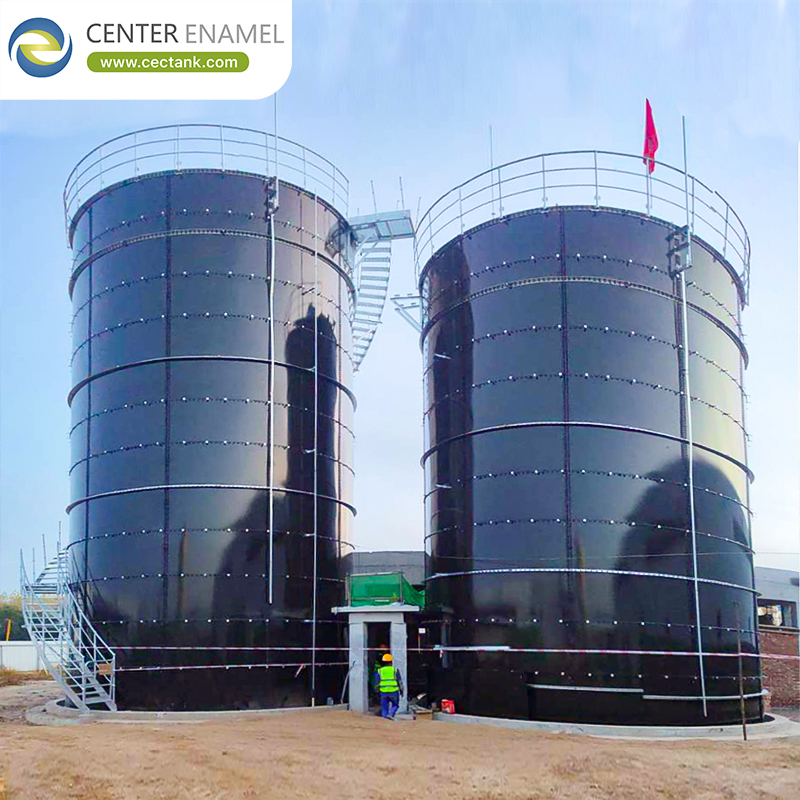
- Zakres:2 ogromne zbiorniki GFS, 16,82 x 23,4 metra (H).
- Całkowita objętość: 10,392 m3.
- Wpływ:Zbiorniki te będą funkcjonować od 2023 r. i będą radzić sobie z ekstremalnymi ciśnieniami hydrostatycznymi przy jednoczesnym zachowaniu 100% integralności zabezpieczonej przed wyciekiem.
5. FAQ: GFS vs. Beton dla zbiorników błota
Jak GFS obsługuje siarczan wodoru ($H_2S$)?
GFS jest nieorganiczną barierą szklaną, która jest całkowicie odporna na atak kwasu,zapewnienie stabilności strukturalnej przez dziesięciolecia.
Szybciej go zainstalować niż betonu?
Tak, ponieważ wszystkie panele są wytwarzane w fabryce i śruby na miejscu, zbiornik GFS może być zainstalowany wtygodnie, nie miesiąceNie ma czasu utwardzania i nie jest wymagana "gorąca praca" (spawanie), co jest krytyczne w obszarach o bogatej zawartości metanu.
Jaka jest maksymalna pojemność?
Poprzez zaawansowaną analizę elementów skończonych (FEA), Center Enamel inżynierów GFS zbiorników, które osiągają indywidualne pojemności60,000 m3, zapewniając największe rozwiązanie magazynowe w branży.
O technologii Shijiazhuang Zhengzhong (centralna emalia)
Z ponad 30-letnim doświadczeniem i prawie200 patentówNasze zbiorniki GFS działają w ponad 100 krajach.spełniające najbardziej rygorystyczne międzynarodowe standardy jakości i bezpieczeństwa.
Optymalizuj dziś strategię oczyszczania osadów komunalnych.