-
Szkło stopione do zbiorników stalowych (596)
-
Zbiorniki ze stali nierdzewnej (434)
-
Zbiorniki epoksydowe połączone fuzją (592)
-
Zbiorniki stalowe galwanizowane (321)
-
Aluminiowe dachy kopuły (1316)
-
Zbiorniki do przechowywania ścieków (231)
-
Zbiorniki ze stali spawanej (457)
-
Zbiorniki ciśnieniowe (295)
-
Fermentator beztlenowy (201)
-
Zbiorniki na wodę przemysłową (349)
-
zbiorniki stalowe o szklanej podszewce (180)
-
Zbiorniki stalowe (390)
-
Zbiornik do przechowywania osadu (115)
-
Zbiornik do przechowywania biogazu (173)
-
Zbiorniki do przechowywania wycieku (133)
-
Zbiorniki do przechowywania wody rolnej (179)
-
Zbiornik z wodą pożarną (166)
-
Silosy do przechowywania zbóż (146)
-
Projekty związane z biogazem (425)
-
Projekty oczyszczania ścieków (788)
-
Podwójny dach membranowy (223)

|
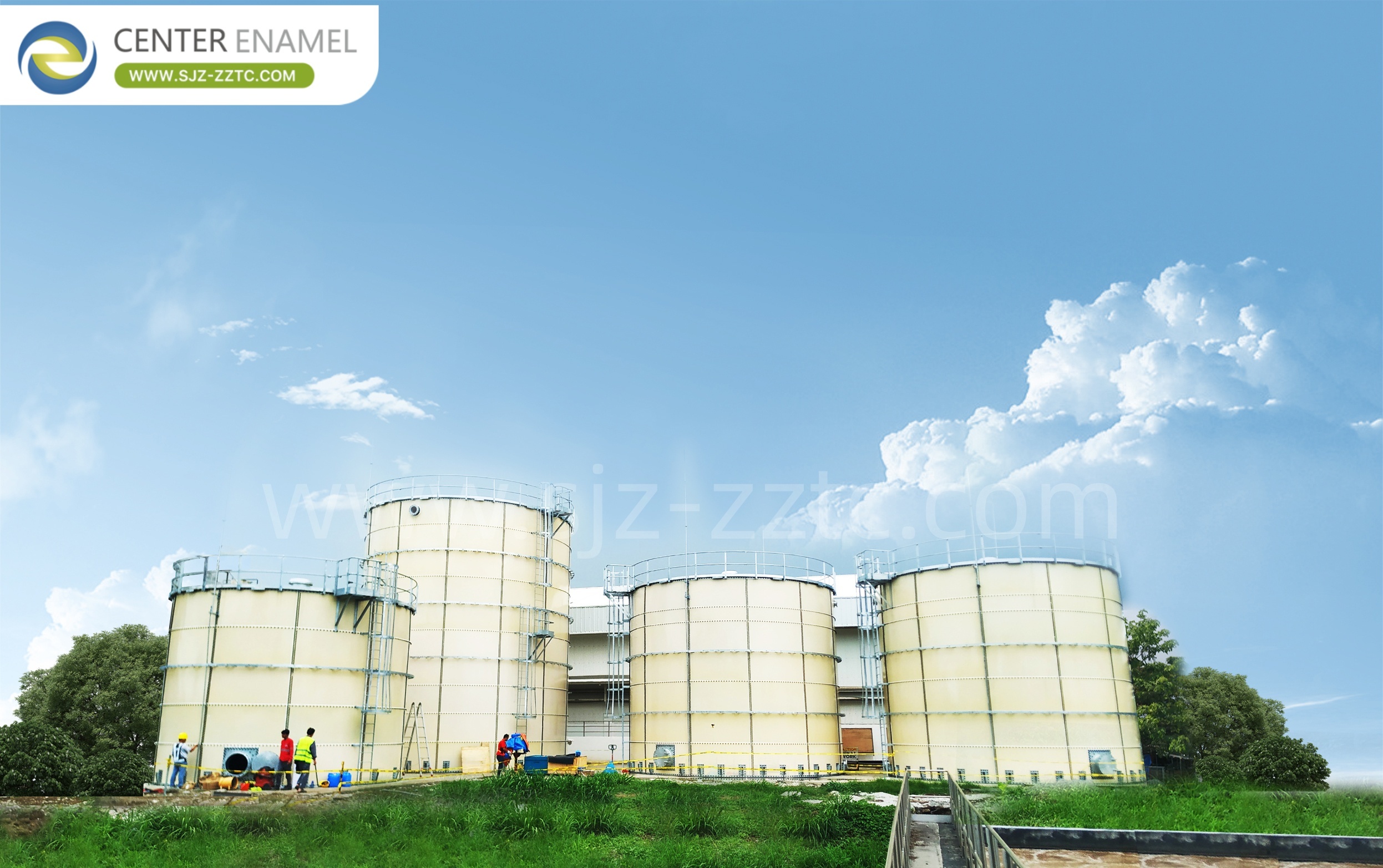
Wiodący wykonawca projektu oczyszczania ścieków skrobi EPC dla Mjanmy
| Miejsce pochodzenia: | Chiny |
| Nazwa handlowa: | CEC TANKS |
| Orzecznictwo: | ISO 9001:2008, AWWA D103 , OSHA , BSCI |
| Numer modelu: | W |
| Minimalne zamówienie: | 1 zestaw |
| Cena: | $5000~$20000 one set |
| Szczegóły pakowania: | Pianka PE pomiędzy dwiema płytami stalowymi; drewniana paleta i drewno |
| Czas dostawy: | 10-30 dni po otrzymaniu depozytu |
| Zasady płatności: | Akredytywa, T/T |
| Możliwość Supply: | 60 zestawów miesięcznie |
|
Szczegółowe informacje |
|||
| Miejsce pochodzenia | Chiny | Nazwa handlowa | CEC TANKS |
|---|---|---|---|
| Orzecznictwo | ISO 9001:2008, AWWA D103 , OSHA , BSCI | Numer modelu | W |
| Kolor korpusu zbiornika: | Ciemnozielony / można dostosować | Integralność korozji: | Doskonały |
| Grubość blach stalowych: | 3 mm do 12 mm, w zależności od konstrukcji zbiornika | Odporność chemiczna: | Doskonały |
| Rozmiar panelu: | 2,4 mln * 1,2 mln | Łatwe do czyszczenia: | Gładki, błyszczący, obojętny, antyadhezyjny |
| Podkreślić: | wykonawca oczyszczania ścieków skrobiowych,oczyszczanie ścieków EPC Myanmar,wykonawca projektu ścieków przemysłowych |
||
Opis produktu
Wiodący wykonawca projektu oczyszczania ścieków skrobiowych w ramach EPC dla Birmy
W miarę jak Birma kontynuuje proces industrializacji rolnictwa i wzmacnia swoją rolę na rynkach manioku i skrobi kukurydzianej w Azji Południowo-Wschodniej, branża wkracza w krytyczną fazę transformacji środowiskowej. Chociaż produkcja skrobi jest kluczowym czynnikiem wzrostu gospodarczego obszarów wiejskich i dochodów z eksportu, stoi ona przed rosnącymi wyzwaniami środowiskowymi. Zarządzanie ściekami organicznymi o wysokim stężeniu nie jest już zadaniem opcjonalnym, ale strategiczną koniecznością dla długoterminowego sukcesu operacyjnego. Dla nowoczesnych przetwórców skrobi w Birmie, współpraca z doświadczonymWykonawca projektu oczyszczania ścieków skrobiowych w ramach umowy EPCtak jakEmalia środkowato najskuteczniejszy sposób na zrównoważenie rozwoju przemysłowego ze zrównoważonym rozwojem środowiska.
Krajobraz środowiskowy w sektorze skrobiowym w Birmie
Przemysł skrobiowy w Birmie, szczególnie w regionach o dużej produkcji rolnej, generuje rocznie miliony metrów sześciennych ścieków. Biorąc pod uwagę duże obciążenie organiczne tych ścieków, niewłaściwe odprowadzanie może prowadzić do poważnego zanieczyszczenia wody, wpływając na lokalne ekosystemy i ważne zasoby wodne, takie jak dorzecze rzeki Irrawaddy.
Aktualny status i zasady wypisu:
Rząd Birmy, za pośrednictwem Ministerstwa Zasobów Naturalnych i Ochrony Środowiska (MONREC), wprowadził coraz bardziej rygorystyczne wytyczne dotyczące ochrony środowiska. Krajowe wytyczne dotyczące jakości środowiska (emisji) nakładają obowiązek, aby projekty przemysłowe, w tym fabryki skrobi, wdrażały wydajne systemy oczyszczania ścieków. Coraz większy nacisk kładzie się na inicjatywy „Gospodarka o obiegu zamkniętym” i „Zielony przemysł”, które zachęcają fabryki do stosowania takich rozwiązańTechnologie beztlenowedo przetwarzania odpadów i wychwytywania biogazu w celu odzysku energii. W miarę zaostrzania się przepisów dotyczących ochrony środowiska posiadanie profesjonalnego systemu oczyszczania jest niezbędne do utrzymania „Certyfikatu zgodności środowiskowej” (ECC) fabryki.
Analiza wytwarzania ścieków skrobiowych
Przetwarzanie skrobi w Birmie to przemysł wodochłonny, w którym ścieki powstają głównie w trzech krytycznych etapach:
Czyszczenie surowca:Usuwanie gleby, piasku i zanieczyszczeń organicznych z surowych bulw manioku lub kukurydzy.
Ekstrakcja i separacja:Na tym etapie powstają najsilniejsze ścieki, mocno obciążone rozpuszczalną skrobią, białkami i kwasami organicznymi.
Odwadnianie:Płynny produkt uboczny odwadniania pulpy skrobiowej zawiera duże stężenia zawieszonych substancji stałych (SS).
Charakterystyka:Ścieki skrobiowe charakteryzują się zazwyczaj kwaśnym pH (4,0–5,5) i wyjątkowo wysokim chemicznym zapotrzebowaniem tlenu (ChZT), często przekraczającym 15 000 mg/l. Ta wysoka wytrzymałość organiczna czyni go głównym kandydatem do beztlenowego oczyszczania biologicznego w celu produkcji odnawialnego biogazu.
Proces oczyszczania ścieków skrobiowych
Center Enamel projektuje kompleksowe systemy oczyszczania, które przekształcają zobowiązania środowiskowe w zasoby odnawialne:
Obróbka wstępna:Wykorzystuje mechaniczne przesiewanie w celu usunięcia włókien i żwiru, a następnie zbiornik wyrównawczy w celu stabilizacji pH i przepływu.
Trawienie beztlenowe:Podstawowy etap, w którym wysoko obciążone zanieczyszczenia organiczne przekształcane są w biogaz bogaty w metan w drodze specjalistycznych procesów beztlenowych.
Polerowanie aerobowe:W celu dalszej rafinacji ścieków w celu spełnienia krajowych norm dotyczących odprowadzania ścieków w Birmie stosuje się systemy takie jak SBR lub MBBR.
Zarządzanie osadami:Oczyszczony osad jest odwadniany i może zostać ponownie wykorzystany jako wysokiej jakości nawóz organiczny dla lokalnych gospodarstw.
Zaawansowane technologie beztlenowe: CSTR, UASB, USR i IC
Jako liderWykonawca projektu oczyszczania ścieków skrobiowych w ramach umowy EPC, Center Enamel specjalizuje się w różnorodnych technologiach reaktorów beztlenowych:
CSTR (reaktor zbiornikowy z całkowitym mieszaniem):Idealne rozwiązanie dla surowców o dużej zawartości substancji stałych, takich jak pulpa skrobiowa lub skoncentrowana zawiesina. Wykorzystuje ciągłe mieszanie mechaniczne, aby utrzymać jednorodne środowisko, zapobiegając sedymentacji i zapewniając stabilną, wysokowydajną produkcję biogazu.
UASB (koszt osadu beztlenowego przepływającego w górę):Wysokoefektywny proces beztlenowy, w którym ścieki przechodzą przez złoże granulowanego osadu. Jest szeroko stosowany ze względu na wysoką skuteczność usuwania ChZT i kompaktową powierzchnię.
USR (reaktor na cząstki stałe z przepływem w górę):Zaprojektowany specjalnie do ścieków o wysokiej zawartości zawiesin (SS), zapewniający dłuższe czasy retencji w celu dokładnego rozkładu materii organicznej.
Reaktor IC (obieg wewnętrzny):Najbardziej zaawansowany system o dużej wydajności, wykorzystujący wewnętrzną cyrkulację biogazu w celu usprawnienia mieszania, pozwalający na oczyszczanie wyjątkowo wysokich ładunków organicznych z maksymalną wydajnością.
Zaleta zbiornika GFS: wybór ze względu na trwałość
Skuteczność dowolnegoProces CSTRlub beztlenowego zależy od jakości zbiornika reaktora. Środkowa emaliaZbiorniki ze stali stopionej na bazie szkła (GFS).stanowią światowy punkt odniesienia w zastosowaniach skrobiowych w ściekach:
Doskonała odporność na korozję:Ścieki skrobiowe są kwaśne i żrące. Zbiorniki GFS posiadają chemicznie obojętną powłokę szklaną stopioną ze stalą, zapewniającą nieprzepuszczalną barierę przed niskim pH i korozyjnym biogazem ($H_2S$).
Modułowa i szybka instalacja:Przykręcane zbiorniki GFS można szybko montować w różnych lokalizacjach w Birmie, nie wymagając spawania na miejscu i znacznie skracając czas budowy.
Długoterminowa wydajność:Dzięki żywotności przekraczającej 30 lat i minimalnym wymaganiom konserwacyjnym zbiorniki GFS oferują najniższy całkowity koszt posiadania w projektach przemysłowych.
Dlaczego warto wybrać emalię środkową do swojego projektu skrobiowego?
Center Enamel zapewnia kompleksowe rozwiązanie „pod klucz” dostosowane do rynku Birmy:
Inżynieria niestandardowa:Projekty zoptymalizowane pod kątem specyficznego klimatu i profili odpadów organicznych w przemyśle rolniczym Birmy.
Doskonałość EPC pod klucz:Zarządzamy całym cyklem życia projektu, od projektu i produkcji po instalację i uruchomienie.
Niezależność energetyczna:Nasze systemy są zoptymalizowane pod kątem maksymalnego wychwytywania biogazu, umożliwiając fabrykom skrobi wytwarzanie własnego ciepła lub energii.
Historie globalnych sukcesów w zarządzaniu ściekami skrobiowymi
Przypadek 1: Projekt oczyszczania ścieków przemysłowych w Tajlandii
Wymiary zbiornika: φ13,76 × 7,8 m (wys.) — 1 jednostka
Całkowita objętość: 1159 m3 — 1 jednostka
Data zakończenia: 2023 rok
Przypadek 2: Malezyjski projekt oczyszczania ścieków przemysłowych
Wymiary zbiornika:
φ7,735 × 5,76 m (wys.) — 1 jednostka
φ9,454 × 5,76 m (wys.) — 1 jednostka
φ6,12 × 4,8 m (wys.) — 1 jednostka
Całkowita objętość: 815 m³
Data zakończenia: 2026 r
Dla przetwórców skrobi w Birmie przyjęcie zaawansowanej technologii oczyszczania ścieków jest istotnym krokiem w stronę zrównoważonej i dochodowej przyszłości. Łącząc niezrównaną trwałośćCzołgi GFSz wysoką wydajnościąTechnologie beztlenowejakProces CSTR, Center Enamel zapewnia sprawdzony plan działania prowadzący do sukcesu w przemyśle. Nasze gotowe rozwiązania EPC umożliwiają fabrykom przekształcanie zobowiązań środowiskowych w cenną energię z biogazu, zapewniając pełną zgodność z ewoluującymi politykami środowiskowymi Birmy, jednocześnie chroniąc najważniejsze zasoby wodne kraju dla przyszłych pokoleń.