-
Szkło stopione do zbiorników stalowych (596)
-
Zbiorniki ze stali nierdzewnej (434)
-
Zbiorniki epoksydowe połączone fuzją (592)
-
Zbiorniki stalowe galwanizowane (321)
-
Aluminiowe dachy kopuły (1316)
-
Zbiorniki do przechowywania ścieków (231)
-
Zbiorniki ze stali spawanej (457)
-
Zbiorniki ciśnieniowe (295)
-
Fermentator beztlenowy (201)
-
Zbiorniki na wodę przemysłową (349)
-
zbiorniki stalowe o szklanej podszewce (180)
-
Zbiorniki stalowe (390)
-
Zbiornik do przechowywania osadu (115)
-
Zbiornik do przechowywania biogazu (173)
-
Zbiorniki do przechowywania wycieku (133)
-
Zbiorniki do przechowywania wody rolnej (179)
-
Zbiornik z wodą pożarną (166)
-
Silosy do przechowywania zbóż (146)
-
Projekty związane z biogazem (425)
-
Projekty oczyszczania ścieków (788)
-
Podwójny dach membranowy (223)

|
Zbiorniki na wodę przeciwpożarową FBE: zgodność inżynieryjna i gotowość awaryjna (2026)
| Miejsce pochodzenia: | Chiny |
| Nazwa handlowa: | CEC TANKS |
| Orzecznictwo: | ISO 9001:2008, AWWA D103 , OSHA , BSCI |
| Numer modelu: | W201691123005 |
| Minimalne zamówienie: | 1 zestaw |
| Cena: | $5000~$20000 one set |
| Szczegóły pakowania: | Pe poli-foam między każdą dwiema stalowymi płytkami; drewniana paleta i drewniane pudełko |
| Czas dostawy: | 0-60 dni po otrzymaniu depozytu |
| Zasady płatności: | Akredytywa, T/T |
| Możliwość Supply: | 60 zestawów miesięcznie |
|
Szczegółowe informacje |
|||
| Miejsce pochodzenia | Chiny | Nazwa handlowa | CEC TANKS |
|---|---|---|---|
| Orzecznictwo | ISO 9001:2008, AWWA D103 , OSHA , BSCI | Numer modelu | W201691123005 |
| Grubość blach stalowych: | 3 mm do 12 mm, w zależności od konstrukcji zbiornika | Integralność korozji: | Doskonały |
| Odporność chemiczna: | Doskonały | Pojemność: | 20 m3 do 18 000 m3 |
| Żywotność: | ≥30 lat | Przepuszczalność: | Nieprzestrzegalny gaz / ciecz |
| Podkreślić: | Zbiorniki wody przeciwpożarowej FBE,Zbiorniki awaryjne epoksydowe ze spalania,Zbiorniki wody przeciwpożarowej z gwarancją |
||
Opis produktu
Zbiorniki wody przeciwpożarowej FBE: zgodność inżynieryjna i gotowość awaryjna (2026)
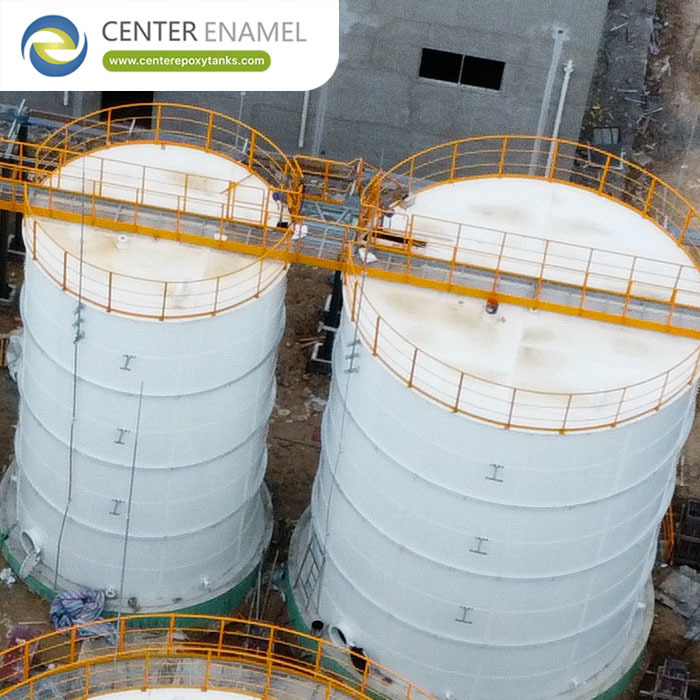
W infrastrukturze miejskiej i ochronie własności przemysłowej sieci przeciwpożarowe wymagają "przygotowanego w każdej chwili" zasilania wodnym.W przypadku gdy lokalne sieci wodociągowe nie mogą spełniać wymogów przepływu pożaru awaryjnegoOd 2026 r. obowiązkowa jest specjalna rezerwa wody.Zbiorniki stalowe ze śruby epoksydowej (FBE)stały się światowym punktem odniesienia w zakresie magazynowania wody do przeciwpożarowania, spełniając rygorystyczne zasady bezpieczeństwa życia przy jednoczesnej optymalizacji budżetów inżynierskich.
1Co to jest zbiornik wody przeciwpożarowej FBE?
Zbiornik wody przeciwpożarowej FBE to modułowy zbiornik składowywany z fabrycznie wytwarzanych paneli ze stali węglowej pokrytych wysokiej wydajności żywicą epoksydową.
W przeciwieństwie do zbiorników malowanych w polu, które są podatne na nierówną grubość powłoki,Epoksy związany fuzjąPłyty stalowe są poddawane gruntu, podgrzewane do temperatury między180°C i 230°CPowłok topi się i chemicznie łączy się, tworząc nieprzenikalną, molekularnie stopioną barierę.Ta powłoka chroniąca trwale izoluje stal od kontaktu z wodą, zapobiegające rdzewieniu i łuszczeniu.
2Wydajność techniczna: niezawodność, gdy ma największe znaczenie
Zbiorniki z wodą pożarową często pozostają bezczynne przez miesiące lub lata, ale w nagłych wypadkach muszą dostarczać maksymalny, niezakłócony przepływ wody.Technologia FBE została zaprojektowana dla tego precyzyjnego profilu operacyjnego:
Ochrona przed skałowaniem i pompą
Tradycyjne zbiorniki stalowe bez podszewki z czasem zrzucają płatki rdzy i łuszczy, które osadzają się na dnie zbiornika.Wysokiej prędkości odsysanie może wyciągnąć te szczątki bezpośrednio do pomp pożarowychGładkie, fabryczne wykończenie FBE całkowicie eliminuje skały wewnętrzne, zapewniając dostarczanie czystej wody do sieci tłumienia.
Zapewnienie jakości bez przerwy
Wyciek konstrukcyjny w zbiorniku zapasowym może prowadzić do katastrofalnej utraty ciśnienia awaryjnego.Świąteczny test.w fabryce w celu zlokalizowania i usunięcia wszelkich mikroskopijnych dziur lub luk w powłokach przed wysyłką.
Zaawansowana ochrona stawów i krawędzi
Ponieważ zbiorniki z śrubokrętami polegają na integralności połączeń, nowoczesne zbiorniki FBE wykorzystują zaawansowane procesy aplikacji proszku, które zapewniają pełne,równomierna grubość powłoki wokół krawędzi paneli i otworów śrub, eliminująca pierwotne miejsca, w których zazwyczaj rozpoczyna się miejscowa rdza.
3. Macierza porównawcza: FBE vs. Beton vs. Stal spawana
4Kodeksy regulacyjne i zgodność: NFPA 22
Aby być zintegrowane z siecią przeciwpożarową przemysłową lub handlową, zasoby magazynowania wody muszą spełniać absolutne wymagania bezpieczeństwa.Emazel centralny (Technologia Shijiazhuang Zhengzhong)są zaprojektowane w taki sposób, aby spełniały te rygorystyczne kody:
-
NFPA 22 Zgodność:Jest to ostateczny światowy standard dlaZbiorniki wody do prywatnej ochrony przeciwpożarowejOkreśla integralność strukturalną, minimalną zdolność użytkową, ochronę przed przepływem i wymagane integracje sprzętowe.
-
AWWA D103-19:Najważniejszy standard dla fabrycznych systemów magazynowania płynów ze stali węglowej, zapewniający weryfikację obliczeń strukturalnych dla wiatru, śniegu i obciążenia.
-
ASCE 7-22:Kryteria konstrukcyjne zapewniające, aby zbiornik pozostawał w eksploatacji podczas ekstremalnych zdarzeń pogodowych, w tym wysokiego ryzyka aktywności sejsmicznej i obciążeń wiatrowych do250 km/h.
Obowiązkowe akcesoria przeciwpożarowe
Zbiornik FBE ze śrubokrętem zgodny z NFPA 22 musi być wyposażony w specyficzne, specjalistyczne elementy gwarantujące gotowość awaryjną:
-
Płytka wirusowa (Wortex Preventer):Zainstalowane bezpośrednio przy wylotnej odsysce w celu zapobiegania przedostaniu się powietrza do linii pompy pożarowej podczas cykli szybkiego odciągania.
-
Systemy monitorowania poziomu wody:Elektronicznie połączony z głównym panelem alarmowym budynku, aby zapewnić telemetrię w czasie rzeczywistym.
-
Ogrzewacze zanurzeniowe przeciwzmrożne:Wymagane w strefach geograficznych o niskiej temperaturze w celu zapobiegania tworzeniu się lodu ograniczającego dostępność wody w okresie zimowym.
5Strategiczne zastosowania w infrastrukturze komercyjnej
Zbiorniki wody dla gaśniczych FBE służą jako podstawowy środek zabezpieczający w sektorach wysokiego ryzyka:
-
Składy przemysłowe i centra logistyczne:Karmienie na dużą skalęESFR (Wczesne tłumienie szybkiej reakcji)sieci spryskiwaczy.
-
Komercyjne wieżowce:Działają jako zbiorniki ssania na poziomie ziemi, które zasilają pompy podwyższające wysokiego ciśnienia.
-
Elektrownie zdalne i zakłady petrochemiczne:Zapewnienie niezależnych rezerw hydrantów w przypadku niedostępności komunalnych linii wodnych.
Usprawnienie kapitału bezpieczeństwa
Dla menedżerów obiektów, projektantów i inżynierów ochrony przeciwpożarowej, którzy chcą zmaksymalizować swojeZwrot z inwestycji (ROI),Zbiornik z wodą ogniową FBEWykorzystując metodę montażu z góry w dół z synchronizowanymi hydraulicznymi podnośnikami, te zbiorniki eliminują potrzebę rusztowania lub spawania na miejscu.skrócenie terminów instalacji o do50%Wyeliminując ryzyko strukturalnego pęknięcia betonu i powtarzające się koszty konserwacji stalowej farby,Technologia FBE zapewnia, że infrastruktura bezpieczeństwa życia pozostaje bezpieczna i funkcjonalna przez okres trwania projektu przekraczający30 lat.
Czy obecnie projektujesz lub ulepszasz pętlę przeciwpożarową dla obiektu komercyjnego lub przemysłowego i czy chciałbyś szczegółową propozycję techniczną, w tym rozmiar,Integracja akcesoriów NFPA 22, i rysunki konstrukcyjne dla wymaganej objętości?