-
Szkło stopione do zbiorników stalowych (596)
-
Zbiorniki ze stali nierdzewnej (434)
-
Zbiorniki epoksydowe połączone fuzją (592)
-
Zbiorniki stalowe galwanizowane (321)
-
Aluminiowe dachy kopuły (1316)
-
Zbiorniki do przechowywania ścieków (231)
-
Zbiorniki ze stali spawanej (457)
-
Zbiorniki ciśnieniowe (295)
-
Fermentator beztlenowy (201)
-
Zbiorniki na wodę przemysłową (349)
-
zbiorniki stalowe o szklanej podszewce (180)
-
Zbiorniki stalowe (390)
-
Zbiornik do przechowywania osadu (115)
-
Zbiornik do przechowywania biogazu (173)
-
Zbiorniki do przechowywania wycieku (133)
-
Zbiorniki do przechowywania wody rolnej (179)
-
Zbiornik z wodą pożarną (166)
-
Silosy do przechowywania zbóż (146)
-
Projekty związane z biogazem (425)
-
Projekty oczyszczania ścieków (788)
-
Podwójny dach membranowy (223)


|
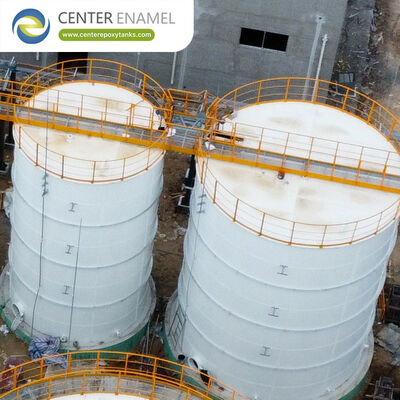
Zbiorniki wody solanej FBE: Inżynieria przemysłowa w celu zabezpieczenia wysokiego TDS i nasyconych roztworów soli
| Miejsce pochodzenia: | Chiny |
| Nazwa handlowa: | CEC TANKS |
| Orzecznictwo: | ISO 9001:2008, AWWA D103 , OSHA , BSCI |
| Numer modelu: | W201691123005 |
| Minimalne zamówienie: | 1 zestaw |
| Cena: | $5000~$20000 one set |
| Szczegóły pakowania: | Pe poli-foam między każdą dwiema stalowymi płytkami; drewniana paleta i drewniane pudełko |
| Czas dostawy: | 0-60 dni po otrzymaniu depozytu |
| Zasady płatności: | Akredytywa, T/T |
| Możliwość Supply: | 60 zestawów miesięcznie |
|
Szczegółowe informacje |
|||
| Miejsce pochodzenia | Chiny | Nazwa handlowa | CEC TANKS |
|---|---|---|---|
| Orzecznictwo | ISO 9001:2008, AWWA D103 , OSHA , BSCI | Numer modelu | W201691123005 |
| Grubość blach stalowych: | 3 mm do 12 mm, w zależności od konstrukcji zbiornika | Integralność korozji: | Doskonały |
| Odporność chemiczna: | Doskonały | Pojemność: | 20 m3 do 18 000 m3 |
| Żywotność: | ≥30 lat | Przepuszczalność: | Nieprzestrzegalny gaz / ciecz |
| Podkreślić: | Zbiorniki wody solanej FBE,zbiorniki przemysłowe dla wysokich TDS,zbiorniki roztworu soli epoksydowej połączone fuzją |
||
Opis produktu
Zbiorniki na wodę solankową FBE: inżynieryjne zbiorniki przemysłowe dla roztworów soli o wysokiej zawartości TDS i nasyconych
W sektorach inżynierii przemysłowej i środowiskowej w 2026 r. zarządzanie nasyconymi roztworami soli i solankami o wysokim stężeniu stanowi jedno z najpoważniejszych wyzwań w zakresie izolacji. Woda solankowa – pozyskiwana zOdwrócona osmoza (RO) odrzuca strumienie, przetwarzanie chemiczne chloro-alkaliczne, pole naftowewyprodukowaną wodę, czyli pętle regeneracyjne zmiękczające wodę – jest bardzo agresywnym elektrolitem chemicznym. Wysoka zawartość rozpuszczonych substancji stałych (TDS) strumienie powodują szybką korozję galwaniczną, szczelinową i wżerową w standardowej stali węglowej oraz powodują głęboką degradację strukturalną porowatego betonu.
Zbiorniki stalowe łączone śrubami z żywicy epoksydowej (FBE).ugruntowały swoją pozycję światowego standardu zamówień w zakresie ochrony solanki przemysłowej. Łącząc wysoką wytrzymałość stali węglowej na rozciąganie z zaawansowaną, fabrycznie stapianą barierą polimerową, zbiorniki FBE izolują krytyczne zasoby wodne przed intensywną degradacją minerałów, optymalizując jednocześnie wydatki kapitałowe (CAPEX) i terminy realizacji projektów.
1. Co to jest zbiornik na wodę solankową FBE?
Zbiornik na wodę solankową FBE to modułowy system przechowywania, w którym poszczególne panele ze stali węglowej są fabrycznie pokryte najwyższej jakości termoutwardzalną żywicą epoksydową.
W przeciwieństwie do tradycyjnych farb nakładanych w płynie lub wykładzin terenowych, które są wrażliwe na wilgoć otoczenia i nierówną grubość podczas prac budowlanych, farbaKlej epoksydowyproces odbywa się w rygorystycznych, kontrolowanych warunkach fabrycznych. Płyty stalowe są piaskowane do uzyskania prawie białego wykończenia (Sa 2,5 / SSPC-SP10), podgrzany do temperatur pomiędzy180°C i 230°Ci natryskiwano elektrostatycznie suchym proszkiem polimerowym. Proszek topi się, płynie i sieciuje chemicznie, tworząc nierozłączną barierę ochronną trwale związaną ze stalowym podłożem. Tworzy to wewnętrzną wyściółkę o dużej gęstości, gładką jak szkło, która całkowicie izoluje surową stalową powłokę od wysoce przewodzącej solanki.
2. Wydajność techniczna: Pokonanie mechaniki korozji solnej
Woda solankowa wprowadza specyficzne czynniki fizyczne i elektrochemiczne, które szybko degradują konwencjonalne struktury magazynowania. Technologia FBE uwzględnia te specyficzne parametry poprzez kilka krytycznych czynników wydajności:
Nieprzepuszczalność jonów chlorkowych i zapobieganie wżerom
Roztwory solanki są nasycone jonami chlorkowymi (Cl}^-), które aktywnie przenikają do standardowych przemysłowych systemów malarskich, powodując miejscową korozję wżerową i szczelinową stali. Usieciowana struktura molekularna powłoki FBE tworzy niezwykle gęstą, nieporowatą barierę, która zapobiega migracji chlorków, utrzymując powłokę ze stali konstrukcyjnej całkowicie wolną od rdzy.
Izolacja antykorozyjna galwaniczna
Ze względu na ekstremalne stężenie minerałów solanka wykazuje wyjątkowo wysoką przewodność elektryczną, co przyspiesza korozję galwaniczną wszędzie tam, gdzie występują różne metale lub wady powłoki. Powłoki FBE działają jak doskonały izolator dielektryczny, przerywając obwód galwaniczny we wnętrzu zbiornika i eliminując ryzyko przyspieszonej, miejscowej korozji ogniw.
Szeroka stabilność chemiczna (pH 3,0 do 11,0)
Odpady solanki przemysłowej i strumienie przetwarzania chemicznego często zmieniają kwasowość lub zasadowość w zależności od wcześniejszych regulacji chemicznych lub dozowania środka zapobiegającego osadzaniu się kamienia. Powłoki FBE są chemicznie obojętne i zapewniają niezawodną ochronę strukturalną w szerokim spektrum chemicznym, zapobiegając trawieniu chemicznemu lub odpryskom betonu powszechnym w tradycyjnych zbiornikach.
100% fabryczne zapewnienie jakości poprzez testy świąteczne
W środowiskach solanki o wysokiej przewodności każda nieciągłość wykładziny zbiornika przyspiesza korozję galwaniczną. Aby zagwarantować działanie bez wad, każdy indywidualny panel FBE poddawany jest rygorystycznym testom elektronicznym wysokiego napięciaTest świąteczny (1100 V})przed pakowaniem na płasko. Te testy fabryczne zapewniają barierę w 100% pozbawioną dziur, której nie da się odtworzyć w przypadku zbiorników z betonu wylewanego na miejscu lub ze stali spawanej na miejscu.
3. Matryca porównawcza: FBE kontra beton
4. Strategiczna integracja przemysłowych obiegów solanki
Zbiorniki stalowe skręcane śrubami FBE służą jako krytyczne węzły technologiczne na różnych etapach nowoczesnych zakładów uzdatniania wody i zakładów produkcyjnych przemysłowych:
-
Zbiorniki do odsalania solanki:Zarządzanie strumieniami odrzutów o wysokim zasoleniu generowanymi przez instalacje odwróconej osmozy wody słonawej (BWRO) i odwróconej osmozy wody morskiej (SWRO) przed usunięciem do środowiska lub dalszym przetwarzaniem.
-
Zbiorniki paszowe o zerowym wyładowaniu (ZLD):Pełniące funkcję zbiorników bilansujących przechowujących strumienie o wysokim TDS przed wyparkami termicznymi, koncentratorami lub krystalizatorami.
-
Infrastruktura wody produkowanej na polach naftowych:Przechowywanie solanki o wysokim stężeniu soli, współekstrahowanej podczas operacji naftowych i gazowych, przed filtracją, separacją lub wstrzyknięciem do studni głębinowej.
-
Zmiękczanie wody Regeneracja Magazynowanie:Przechowywanie solanek o wysokim stężeniu chlorku sodu (NaCl}) lub chlorku potasu (KCl}) wykorzystywanych w przemysłowych cyklach regeneracji żywic jonowymiennych.
5. Standardy inżynieryjne i zgodność globalna
Aby spełnić rygorystyczne międzynarodowe kryteria dotyczące infrastruktury i przejść rygorystyczne ekrany przetargów przemysłowych, zbiorniki na wodę solankową klasy premium FBE — takie jak te zaprojektowane przez światowych liderów, takich jakEmalia środkowa (technologia Shijiazhuang Zhengzhong)—są zgodne z następującymi przepisami międzynarodowymi:
-
AWWA D103-19:Najważniejszy światowy standard wzorcowy dla fabrycznie powlekanych, skręcanych systemów magazynowania cieczy ze stali węglowej, potwierdzający obliczenia konstrukcyjne dotyczące ciśnienia hydrostatycznego, obciążeń sejsmicznych i naprężeń obręczy.
-
ISO28765:2016:Specjalny międzynarodowy standard regulujący jakość, grubość i profile testów wysokiej jakości powłok do przechowywania wody i ścieków przemysłowych.
-
ASCE 7-22 / Eurokod 3:Parametry inżynieryjne projektu konstrukcyjnego zapewniające, że zbiornik modułowy oblicza wysoką odporność sejsmiczną i ekstremalne obciążenia wiatrem do250 kilometrów na godzinę— zasadniczy wymóg w przypadku otwartych obiektów przemysłowych wystawionych na działanie wiatru.
-
Zgodność z NSF/ANSI 61:Niezbędne, jeśli zbiornik solanki służy jako zbiornik ekstrakcyjny lub wyrównawczy dla miejskiej stacji odsalania lub oczyszczania wody pitnej.
Optymalizacja zwrotu z inwestycji w infrastrukturę przemysłową
Dla inżynierów ochrony środowiska, kierowników zakładów przemysłowych i wykonawców EPC zajmujących się ściekami, nastawionych na maksymalizacjęZwrot z inwestycji (ROI),Zbiornik stalowy skręcany FBEstanowi wysoce bezpieczny, skalowalny i ekonomiczny atut na rok 2026. Dzięki zastosowaniu modułowej metody montażu od góry do dołu ze zsynchronizowanymi systemami podnośników hydraulicznych, konstrukcje te eliminują potrzebę stosowania rusztowań lub spawania na dużych wysokościach, skracając czas montażu nawet o50%. Eliminując wysokie koszty inwestycyjne egzotycznych stopów stali nierdzewnej i długie okresy dojrzewania betonu, technologia FBE zapewnia bezpieczne, niezawodne i bezobsługowe zarządzanie wodą solankową przez okres eksploatacji przekraczający30 lat.
Czy projektujesz obecnie linię ścieków przemysłowych, magazyn wody użytkowej lub pętlę stężenia solanki i chciałbyś otrzymać szczegółową propozycję techniczną obejmującą wymiary, rysunki techniczne i dane dotyczące zgodności chemicznej na potrzeby konkretnej analizy solanki?