-
Szkło stopione do zbiorników stalowych (596)
-
Zbiorniki ze stali nierdzewnej (434)
-
Zbiorniki epoksydowe połączone fuzją (592)
-
Zbiorniki stalowe galwanizowane (321)
-
Aluminiowe dachy kopuły (1316)
-
Zbiorniki do przechowywania ścieków (231)
-
Zbiorniki ze stali spawanej (457)
-
Zbiorniki ciśnieniowe (295)
-
Fermentator beztlenowy (201)
-
Zbiorniki na wodę przemysłową (349)
-
zbiorniki stalowe o szklanej podszewce (180)
-
Zbiorniki stalowe (390)
-
Zbiornik do przechowywania osadu (115)
-
Zbiornik do przechowywania biogazu (173)
-
Zbiorniki do przechowywania wycieku (133)
-
Zbiorniki do przechowywania wody rolnej (179)
-
Zbiornik z wodą pożarną (166)
-
Silosy do przechowywania zbóż (146)
-
Projekty związane z biogazem (425)
-
Projekty oczyszczania ścieków (788)
-
Podwójny dach membranowy (223)

|
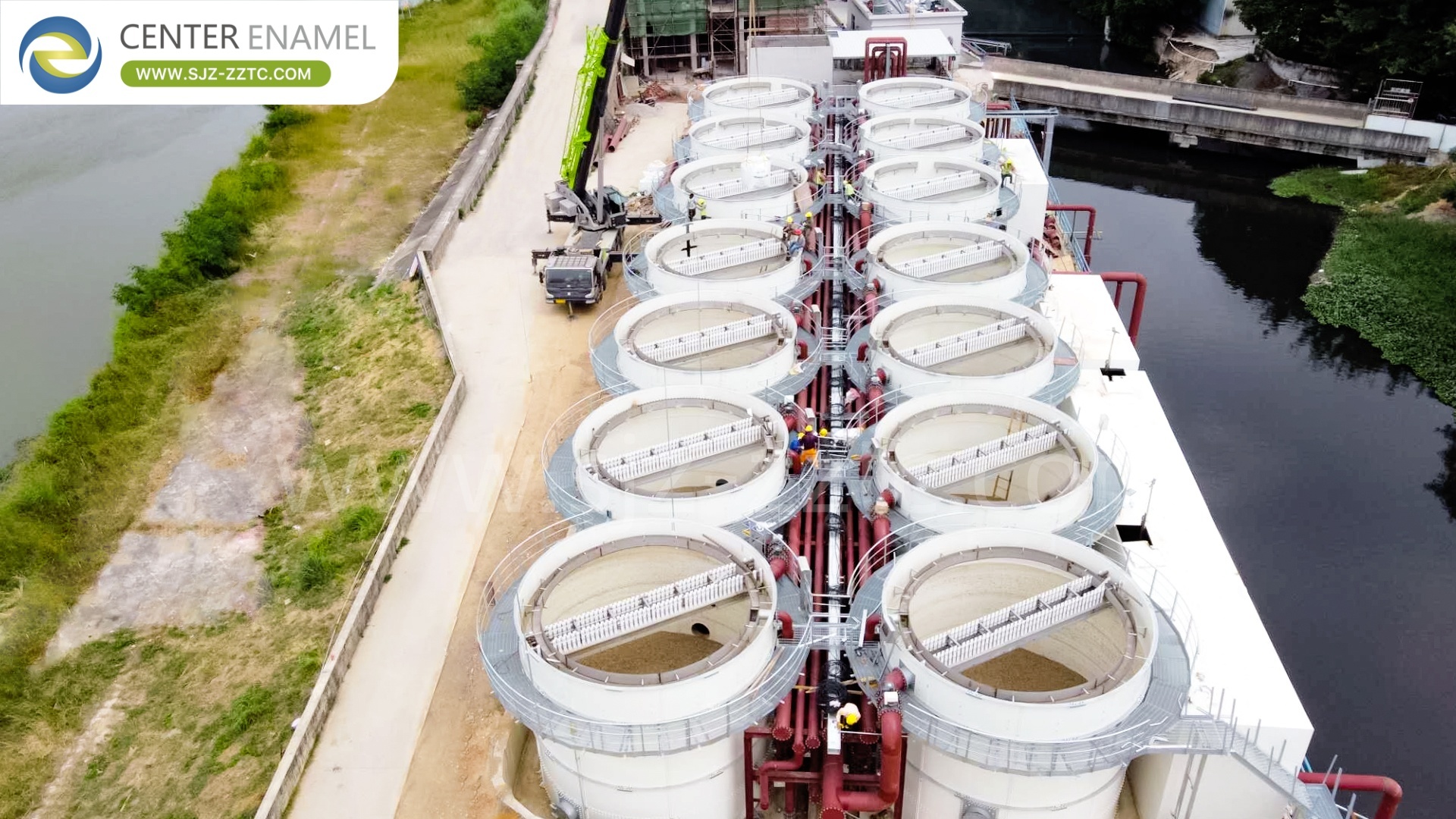
Wysokowydajne przetwarzanie beztlenowe dla japońskich projektów biogazu ze słomy kiszonkowej
| Miejsce pochodzenia: | Chiny |
| Nazwa handlowa: | CEC TANKS |
| Orzecznictwo: | ISO 9001:2008, AWWA D103 , OSHA , BSCI |
| Numer modelu: | W |
| Minimalne zamówienie: | 1 zestaw |
| Cena: | $5000~$20000 one set |
| Szczegóły pakowania: | Pianka PE pomiędzy dwiema płytami stalowymi; drewniana paleta i drewno |
| Czas dostawy: | 10-30 dni po otrzymaniu depozytu |
| Zasady płatności: | Akredytywa, T/T |
| Możliwość Supply: | 60 zestawów miesięcznie |
|
Szczegółowe informacje |
|||
| Miejsce pochodzenia | Chiny | Nazwa handlowa | CEC TANKS |
|---|---|---|---|
| Orzecznictwo | ISO 9001:2008, AWWA D103 , OSHA , BSCI | Numer modelu | W |
| Kolor korpusu zbiornika: | Ciemnozielony / można dostosować | Integralność korozji: | Doskonały |
| Grubość blach stalowych: | 3 mm do 12 mm, w zależności od konstrukcji zbiornika | Odporność chemiczna: | Doskonały |
| Rozmiar panelu: | 2,4 mln * 1,2 mln | Łatwe do czyszczenia: | Gładki, błyszczący, obojętny, antyadhezyjny |
| Podkreślić: | Japonia system biogazu ze słomy do silagowania,projekt oczyszczania ścieków za pomocą środków anaerobowych,wysoce wydajne urządzenia do przetwarzania biogazu |
||
Opis produktu
Wysokowydajne przetwarzanie beztlenowe dla japońskich projektów biogazu ze słomy kiszonkowej
W artykule dokonano oceny strategicznej integracji wielkoskalowego przetwarzania słomy na kiszonkę z rozwijającym się sektorem zielonej energii w Japonii, pokazując, w jaki sposób wdrożenie wyspecjalizowanych konfiguracji procesów biologicznych za pomocą najwyższej klasy statków inżynieryjnych może skutecznie przyspieszyć regionalne cele biogospodarki o obiegu zamkniętym. Słoma kiszonkowa odnosi się do pozostałości pożniwnych o wysokiej zawartości wilgoci – głównie kukurydzy, słomy ryżowej lub roślin pastewnych – które są drobno posiekane, zagęszczane i konserwowane poprzez kontrolowaną fermentację beztlenową kwasu mlekowego (kiszenie). Ta naturalna metoda konserwacji skutecznie blokuje rozpuszczalne cukry i macierz organiczną rośliny, przekształcając sezonowe pozostałości rolne w wyjątkowy surowiec o dużej zawartości składników odżywczych, zoptymalizowany pod kątem ciągłego wytwarzania bioenergii z wysoką wydajnością.
Przegląd i zastosowania rynkowe słomy na kiszonkę w Japonii
Uprawa słomy na kiszonkę, systematyczne zbiory i wykorzystanie zasobów na dużą skalę szybko zyskują na popularności w całej Japonii, przy silnym wsparciu wysoce zaawansowanych krajowych ram rolniczych i zoptymalizowanych regionalnych stref klimatycznych w rolnictwie. Jako wyjątkowo czysta, bogata w węgiel i strukturalnie jednolita pozostałość organiczna powstająca w wyniku intensywnej rocznej uprawy wielu roślin, słoma kiszonkowa służy jako niezawodny i bezpieczny surowiec dla obiektów o ciągłym działaniu beztlenowym. Poza dotychczasowym zastosowaniem jako wysokiej jakości zielonka ozima dla najlepszych japońskich sektorów hodowli bydła mlecznego i wołowego, słoma kiszonkowa staje się towarem przemysłowym o wysokiej wartości. Ogromna zawartość lignocelulozowa czyni go wyjątkowym kandydatem do zaawansowanej produkcji biologicznej, organicznych kompozytów z włókien strukturalnych i zdecentralizowanych elektrowni przetwarzających odpady na energię. Dzięki temu prefektury wiejskie mogą zastępować kosztowny import energii, jednocześnie przekształcając rutynowe produkty uboczne rolnictwa w opłacalną, czystą energię o wysokiej wartości.
Jak słoma kiszonkowa przekształca się w biogaz: sekwencja biologiczna
Biologiczna konwersja przemysłowej słomy z kiszonki w biogaz bogaty w metan zachodzi poprzez fermentację beztlenową – precyzyjnie dostrojoną sekwencję biologiczną, w której wyspecjalizowane kultury bakteryjne rozkładają złożoną materię organiczną w całkowicie pozbawionym tlenu środowisku. Ten złożony szlak biochemiczny przebiega w czterech kolejnych etapach:
Hydroliza:Złożone włókna celulozowe i mocne struktury lignocelulozowe w siekanej słomie kiszonkowej są enzymatycznie rozkładane na rozpuszczalne cukry proste.
Kwasogeneza:Mikroorganizmy wytwarzające kwasy fermentują te proste związki organiczne do lotnych kwasów tłuszczowych (LKT) i alkoholi.
Acetogeneza:Wyspecjalizowane bakterie octowe następnie przekształcają nagromadzone LKT w kwas octowy, dwutlenek węgla i czysty wodór.
Metanogeneza:W krytycznym etapie końcowym bardzo wrażliwe archeony metanogenne metabolizują te dynamiczne prekursory, wytwarzając wysokowydajny strumień biogazu, gotowy do ciągłego wytwarzania energii.
Wielowymiarowe korzyści strategiczne dla zielonej transformacji w Japonii
Wdrożenie zaawansowanych rozwiązań w zakresie biogazu ze słomy kiszonkowej zapewnia wiele długoterminowych korzyści w lokalnych obszarach rolniczych i ekologicznych Japonii:
Ścisła kontrola odpadów rolniczych i zapachów:Lokalne beztlenowe przechowywanie i przetwarzanie nadwyżek słomy zapobiega naturalnemu gniciu pól i rozkładowi na świeżym powietrzu, doskonale dostosowując się do rygorystycznych japońskich standardów ochrony środowiska i redukując lokalne zapachy biologiczne.
Zdecentralizowane zasilanie i odporność sieci lokalnej:Przekształcanie ogromnych ilości odpadów pożniwnych w energię elektryczną przy obciążeniu podstawowym wspiera japońskie inicjatywy dotyczące regionalnych mikrosieci, zapewniając stabilne, niezależne od pogody odnawialne źródło energii, które zwiększa odporność społeczności na klęski żywiołowe.
Produkcja wysokiej jakości bionawozów organicznych:Zużyty produkt uboczny pofermentu z bioreaktora służy jako doskonały, bogaty w składniki odżywcze nawóz organiczny, który umożliwia gospodarstwom komercyjnym zastąpienie kosztownych syntetycznych środków chemicznych, wspieranie rolnictwa organicznego i poprawę stanu gleby.
Podstawowe technologie beztlenowe: CSTR, UASB, USR i IC
Wybór odpowiedniej konfiguracji procesu biologicznego ma kluczowe znaczenie, aby rozwiązać problem wahań ładunków organicznych i dużej ilości zawiesin stałych typowych dla strumieni biomasy rolniczej. Center Enamel oferuje specjalistyczną wiedzę dotyczącą czterech różnych procesów beztlenowych:
CSTR (reaktor zbiornikowy z ciągłym mieszaniem):Proces CSTR stanowi optymalny wybór do zarządzania strumieniami odpadów o dużej zawartości frakcji stałych lub gęstej masy organicznej, takiej jak posiekana słoma na kiszonkę. Jego wydajne mechaniczne systemy mieszania utrzymują całkowicie jednolite środowisko biologiczne, skutecznie zapobiegając tworzeniu się piany na powierzchni i zapewniając stałą, wysoką konwersję organiczną.
UASB (koszt osadu beztlenowego przepływającego w górę):Wysoce responsywny proces w fazie ciekłej, idealnie nadający się do wstępnie osadzonych ścieków rolniczych. Odpady płynne przemieszczają się w górę przez gęste, samoorganizujące się ziarniste złoże osadu, szybko rozkładając rozpuszczalny ChZT w konfiguracji oszczędzającej miejsce.
USR (reaktor na cząstki stałe z przepływem w górę):Specjalnie skonfigurowany do zarządzania strumieniami odpadów o dużej zawartości zawiesin stałych (SS). Ta konfiguracja polega na zatrzymywaniu cząstek organicznych w strefie fermentacji przez dłuższy czas, zapewniając dokładny rozkład i doskonałą produkcję biogazu.
Reaktor IC (obieg wewnętrzny):Wysoce wydajny reaktor głębinowy nowej generacji wyposażony w zintegrowaną dwustopniową pętlę cyrkulacji wewnętrznej napędzaną samodzielnie wytwarzaną wypornością biogazu. Doskonale radzi sobie z wyjątkowo dużymi objętościowymi obciążeniami organicznymi, dzięki czemu nadaje się do obiektów przemysłowych o dużej wydajności.
Zalety zbiorników GFS w japońskich projektach biogazu ze słomy kiszonkowej
Trwająca dziesięciolecia wydajność wszelkich inwestycji przemysłowych zajmujących się przetwarzaniem odpadów na energię zależy bezpośrednio od niezawodności konstrukcyjnej głównych zbiorników zabezpieczających. Firma Center Enamel wykorzystuje światowej klasy zbiorniki ze szkła stopionego na stali (GFS), aby zapewnić niezrównaną trwałość w specyficznym japońskim klimacie oceanicznym i rygorystycznych kryteriach projektowych sejsmicznych:
Wyjątkowa ochrona przed chemikaliami i korozją:Beztlenowy rozkład biomasy organicznej generuje ostre kwasy organiczne i silnie korozyjny gazowy siarkowodór ($H_2S$). Powłoka ze szkła obojętnego wtopiona w rdzenie paneli stalowych tworzy solidną, nieprzepuszczalną warstwę, która całkowicie izoluje stal przed zużyciem chemicznym, przewyższając tradycyjny beton lub stal spawaną.
Doskonała odporność na wstrząsy sejsmiczne i tajfuny:Japonia jest narażona na częste trzęsienia ziemi i dużą wilgotność przybrzeżną. Modułowa, skręcana konstrukcja zbiorników GFS zapewnia wyjątkową elastyczność konstrukcyjną, dzięki czemu statki lepiej wytrzymują fizyczne warunki atmosferyczne, lokalne przesunięcia i rozszerzalność cieplną bez powstawania pęknięć konstrukcyjnych.
Szybki montaż na miejscu i minimalne wymagania dotyczące robocizny:Prefabrykowane w całości w kontrolowanym środowisku fabrycznym, zbiorniki GFS są dostarczane modułowo na miejsce projektu i szybko montowane przy użyciu specjalistycznych podnośników hydraulicznych. Eliminuje to długie fazy dojrzewania betonu i zmniejsza lokalne zapotrzebowanie na siłę roboczą, zapewniając szybkie oddanie projektu do użytku.
Zoptymalizowany ślad gruntowy i skalowalność modułowa:W układach komercyjnych przestrzeń może być bardzo ograniczona. Pionowa konfiguracja zbiornika zapewnia ogromne magazynowanie objętościowe, zajmując jednocześnie minimalną powierzchnię, co ułatwia płynne dodawanie pasujących jednostek modułowych w miarę zwiększania się ilości przetwarzanej biomasy napływającej z biegiem czasu.
Dlaczego warto współpracować z Centrum Enamel w zakresie projektów biogazowych
Wybór Center Enamel na wyspecjalizowanego wykonawcę EPC oferuje szerokie korzyści operacyjne i technologiczne:
Pakiety inżynieryjne pod klucz:Dostarczamy kompleksową usługę cyklu życia projektu, obejmującą niestandardowe projektowanie procesów biologicznych, produkcję zbiorników premium, pozyskiwanie precyzyjnego sprzętu, szybką instalację w terenie i uruchomienie inteligentnego systemu automatyki.
Projekt rozwiązania technicznego dostosowanego do indywidualnych potrzeb:Rozumiejąc, że właściwości biomasy różnią się w zależności od cykli zbiorów i skali przetwarzania, nasi doświadczeni inżynierowie konfigurują każdy układ instalacji beztlenowych, aby dokładnie dopasować właściwości lokalnych odpadów i regionalne parametry środowiskowe.
W pełni zintegrowany pakiet wyposażenia:Oprócz produkcji najwyższej jakości zbiorników GFS, projektujemy i wdrażamy kluczowe elementy procesu, takie jak dwumembranowe zbiorniki gazu, dostosowane do indywidualnych potrzeb systemy mieszania i zaawansowane jednostki oczyszczania biogazu.
Rozległe globalne osiągnięcia w zakresie projektów:Dzięki pomyślnie oddanym do użytku systemom magazynowania i przetwarzania w ponad 100 krajach, Center Enamel skutecznie dostosowuje globalne innowacje w zakresie przetwarzania odpadów na energię do lokalnych standardów i rygorystycznych wymogów środowiskowych.
Sprawdzone w branży studia przypadków projektów
Globalne możliwości projektowe Center Enamel i solidne standardy inżynieryjne zostały zademonstrowane w głównych międzynarodowych instalacjach przetwarzania odpadów w energię:
Przypadek 1: Indonezyjski projekt biogazowy
Zastosowanie w zbiorniku: Oczyszczalnia ścieków z oleju palmowego
Model zbiornika: Ø19,86 × 8,4 m
Liczba czołgów: 3 czołgi GFS
Instalacja: 7 pracowników, 40 dni
Data instalacji: listopad 2009
Przypadek 2: Szwedzki projekt biogazowy
Wymiary zbiornika: φ19,11 × 19,2 m (wys.) — 1 jednostka
Całkowita objętość: 5510 m³
Data zakończenia: 2024 rok
Rozwój trwałej, nowoczesnej infrastruktury jest niezbędny, ponieważ Japonia zwiększa swoje zaangażowanie na rzecz ekologicznego wzrostu gospodarczego, ścisłego przestrzegania przepisów dotyczących zrzutów produktów rolnych i zrównoważonego odzyskiwania zasobów. Budowa specjalistycznych projektów biogazu przetwarzających słomę kiszonkową w oparciu o zaawansowane rozwiązania beztlenowe, elastyczny proces CSTR i wysokiej jakości zbiorniki GFS zapewnia komercyjnym producentom rolnym i władzom miejskim wysoce niezawodną i lukratywną metodę rozwiązywania problemów związanych z odpadami środowiskowymi. Tworząc strategiczne partnerstwo z Center Enamel, zainteresowane strony z władz miejskich i przemysłowych zapewniają bezpośredni dostęp do światowej klasy inżynierii procesowej, sprawdzonych w praktyce konfiguracji beztlenowych i odpornych systemów bezpieczeństwa. To kompleksowe podejście z łatwością spełnia rygorystyczne lokalne wymogi środowiskowe, znacznie obniża codzienne wydatki na usuwanie odpadów i zapewnia niezawodne źródło czystej energii, zapewniając pomyślną realizację długoterminowych celów Japonii w zakresie ochrony środowiska i energii odnawialnej.