-
Szkło stopione do zbiorników stalowych (596)
-
Zbiorniki ze stali nierdzewnej (434)
-
Zbiorniki epoksydowe połączone fuzją (592)
-
Zbiorniki stalowe galwanizowane (321)
-
Aluminiowe dachy kopuły (1316)
-
Zbiorniki do przechowywania ścieków (231)
-
Zbiorniki ze stali spawanej (457)
-
Zbiorniki ciśnieniowe (295)
-
Fermentator beztlenowy (201)
-
Zbiorniki na wodę przemysłową (349)
-
zbiorniki stalowe o szklanej podszewce (180)
-
Zbiorniki stalowe (390)
-
Zbiornik do przechowywania osadu (115)
-
Zbiornik do przechowywania biogazu (173)
-
Zbiorniki do przechowywania wycieku (133)
-
Zbiorniki do przechowywania wody rolnej (179)
-
Zbiornik z wodą pożarną (166)
-
Silosy do przechowywania zbóż (146)
-
Projekty związane z biogazem (425)
-
Projekty oczyszczania ścieków (788)
-
Podwójny dach membranowy (223)

|
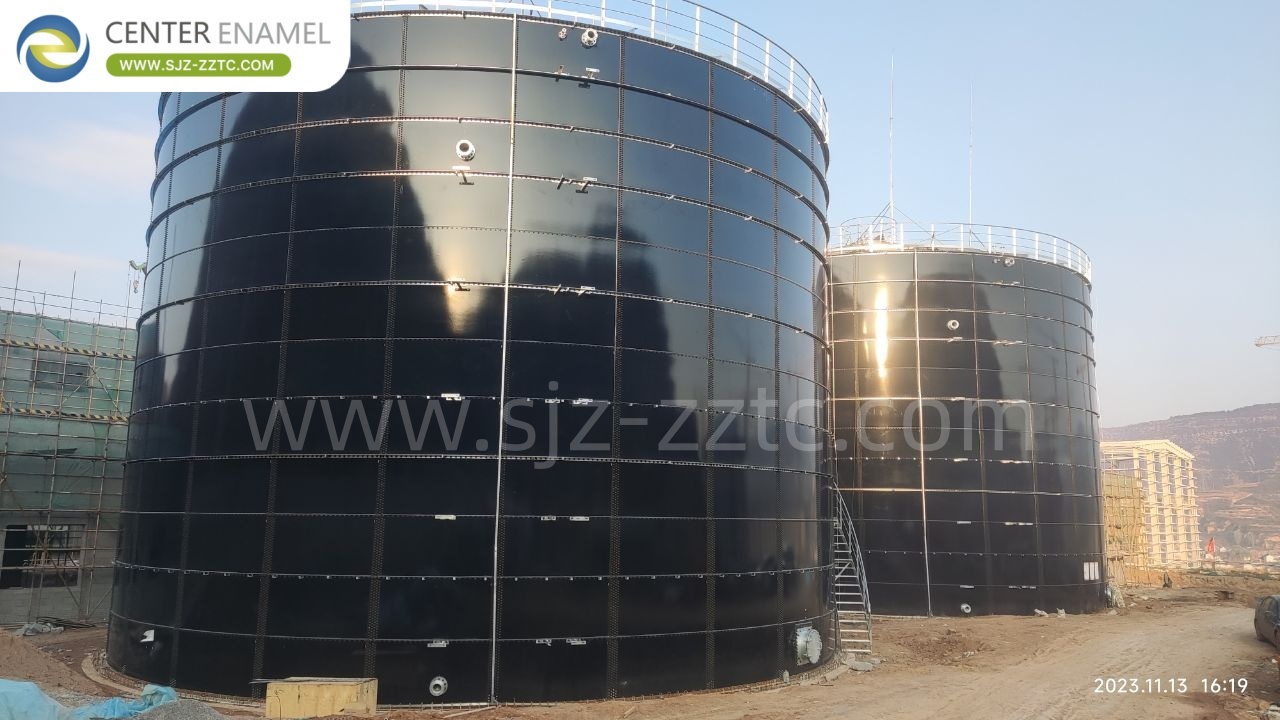
Projekt w zakresie rozwiązań biogazowych premium i procesu USR dla Tajlandii
| Miejsce pochodzenia: | Chiny |
| Nazwa handlowa: | CEC TANKS |
| Orzecznictwo: | ISO 9001:2008, AWWA D103 , OSHA , BSCI |
| Numer modelu: | W |
| Minimalne zamówienie: | 1 zestaw |
| Cena: | $5000~$20000 one set |
| Szczegóły pakowania: | Pianka PE pomiędzy dwiema płytami stalowymi; drewniana paleta i drewno |
| Czas dostawy: | 10-30 dni po otrzymaniu depozytu |
| Zasady płatności: | Akredytywa, T/T |
| Możliwość Supply: | 60 zestawów miesięcznie |
|
Szczegółowe informacje |
|||
| Miejsce pochodzenia | Chiny | Nazwa handlowa | CEC TANKS |
|---|---|---|---|
| Orzecznictwo | ISO 9001:2008, AWWA D103 , OSHA , BSCI | Numer modelu | W |
| Kolor korpusu zbiornika: | Ciemnozielony / można dostosować | Integralność korozji: | Doskonały |
| Grubość blach stalowych: | 3 mm do 12 mm, w zależności od konstrukcji zbiornika | Odporność chemiczna: | Doskonały |
| Rozmiar panelu: | 2,4 mln * 1,2 mln | Łatwe do czyszczenia: | Gładki, błyszczący, obojętny, antyadhezyjny |
| Podkreślić: | rozwiązania w zakresie biogazu z odpadów domowych,oczyszczanie ścieków procesowych USR,projekt biogazu w Tajlandii z gwarancją |
||
Opis produktu
Projekt w zakresie rozwiązań biogazowych premium i procesu USR dla Tajlandii
Szybki wzrost liczby ludności, rozwój miast i zmieniające się nawyki konsumenta zasadniczo zmieniły krajobraz gospodarowania odpadami komunalnymi w nowoczesnych gospodarkach.odpadów stałych komunalnychodpady gospodarstwa domowegoW związku z tym, w szczególności w odniesieniu do produktów pochodzenia zwierzęcego, które są wprowadzane do obrotu w krajach trzecich, w szczególności w krajach trzecich, wprowadzono nowe przepisy w sprawie wprowadzania środków ochrony środowiska.Odpady gospodarstwa domowego stanowią ogromną część dziennego odpadu wytwarzanego w strefach mieszkalnychJeśli nie zostanie ono przetworzone, to ogromna ilość organicznej materii staje się ciężkim obciążeniem środowiskowym i finansowym dla infrastruktury miejskiej.w przypadku zarządzania za pomocą projektowanych ram przekształcania odpadów w energię, służy jako wyjątkowy, bardzo cenny substrat do wytwarzania zielonej energii.
Pochodzenie i wytwarzanie odpadów domowych
Odpady gospodarstwa domowego pochodzą bezpośrednio z codziennych czynności domowych w gospodarstwach mieszkalnych w miastach, przedmieściach i na wsi.która wytwarza ogromne ilości organicznych odpadów kuchennychPonadto utrzymanie nieruchomości mieszkalnych wprowadza odpady ogrodowe, wycinki, liście,i różnych rodzajów biodegradowalnych wyrobów z papieru do komunalnego strumienia odpadówPonieważ materiały te są nierozerwalnie związane z codziennym przetrwaniem człowieka i życiem domowym,ich wytwarzanie jest ciągłe i rozszerza się proporcjonalnie do gęstości ludności gminy i rozwoju gospodarczego.
Naglące wyzwania związane z gospodarką odpadami w Tajlandii
W szybko rozwijających się krajach ASEAN, takich jak Tajlandia, dramatyczny wzrost odpadów stałych miejskich znacznie prześcignął tradycyjną infrastrukturę zbierania i usuwania.Tajlandia produkuje dziesiątki milionów ton odpadów domowych rocznie, którego krytyczny procent składa się z wilgotnej materii organicznej o wyjątkowo wysokiej zawartości wilgoci.
Historycznie, ogromna część tych odpadów organicznych była kierowana na otwarte wysypiska lub na nieprzebudowane składowiska znajdujące się w prowincjach wiejskich i przymieściowych.Niezarządzane odpady organiczne na wysypiskach są szybko, niekontrolowane rozkładanie, uwalnianie ogromnych ilości metanu (CH4 ), gazu cieplarnianego o potencjale globalnego ocieplenia znacznie wyższym niż dwutlenek węgla (CO2).podczas intensywnego sezonu monsunowego, te rozkładające się odpady wytwarzają wysoko skoncentrowany toksyczny wyciek, który przenika do lokalnych gleb i zanieczyszcza istotne sieci wód podziemnych,W tym samym czasie powodują one poważne problemy z zapachami i przyciągają niebezpieczne nośniki chorób w pobliżu lokalnych społeczności..
Droga trawienia: Jak odpady domowe przekształca się w biogaz
Przekształcenie różnorodnych odpadów domowych w niezawodne źródło energii opiera się na zaawansowanych metodachroztwory biogazuW tym kontrolowanym procesie wyspecjalizowane społeczności drobnoustrojów rozkładają materię organiczną w środowisku całkowicie pozbawionym tlenu poprzez cztery różne fazy biologiczne:
Hydroliza:Złożone polimery organiczne, takie jak węglowodany, białka i lipidy znajdujące się w resztkach żywności, są rozkładane przez enzymy pozakomórkowe na rozpuszczalne monomery, takie jak aminokwasy i proste cukry.
Akidogeneza:Bakterie tworzące kwas szybko fermentują te rozpuszczalne monomery, przekształcając je w lotne kwasy tłuszczowe (VFAs), alkohole i kwasy mlekowe.
Aketogeneza:Mikroorganizmy acetogenne katabolizują dalej VFA i alkohole, syntetyzując je w kwas octowy, dwutlenek węgla (CO2) i gaz wodorowy (H2).
Metanogeneza:W ostatnim etapie bardzo wrażliwe metanogenne archae zużywają nagromadzony kwas octowy i wodór w celu wytworzenia biogazu,paliwo odnawialne składające się głównie z metanu (CH4) i dwutlenku węgla (CO2).
Po przechwyceniu i kondycjonowaniu biogazu można go przekształcić w zieloną energię elektryczną, wykorzystywać do lokalnego ogrzewania termicznego lub przekształcić w skompresowany biometan (Bio-CNG).
Korzyści strategiczne dla Tajlandii z projektów w zakresie biogazu z odpadów gospodarstw domowych
Wdrażanieprojekty w zakresie biogazu z odpadów gospodarstw domowychzapewnia wieloaspektowe korzyści ekologiczne i społeczno-gospodarcze zgodne z tajlandzkim modelem gospodarki ekologicznej i ekologicznej oraz ramami redukcji emisji dwutlenku węgla:
Decentralizowana energia ze źródeł odnawialnychPrzekształcanie odpadów organicznych miejskich w energię elektryczną lub biometan zapewnia lokalnym społecznościom czystą energię, wzmacnia regionalną stabilność sieci i zmniejsza zależność od paliw kopalnych.
Zmniejszenie skutków zmian klimatu:Złapanie metanu u źródła uniemożliwia ucieczkę szkodliwych emisji uciekinierskiej do atmosfery, co bezpośrednio przyczynia się do osiągnięcia krajowych celów dotyczących neutralności węglowej.
Odwrócenie z składowni:Przetwarzanie frakcji organicznych za pomocą trawienia beztlenowego znacząco zmniejsza fizyczną objętość odpadów trafiających na ściśnięte komunalne składowiska,w ten sposób wydłużyć okres życia w składowiskach odpadów i zmniejszyć koszty zarządzania przez gminy.
Obogacone nawozy organiczne:Gęsty w składnikach odżywczych przetwornik pozostający po procesie trawienia może być przetworzony na wysokiej jakości nawozy organiczne,oferowanie społecznościom rolnym opłacalnej alternatywy dla drogich surowców chemicznych.
Podstawowe technologie procesów beztlenowych: CSTR, UASB, USR i IC
Wybór odpowiedniej konfiguracji reaktora ma zasadnicze znaczenie w przypadku zmiennych cech odpadów organicznych komunalnych.Center Enamel zapewnia specjalistyczną wiedzę inżynieryjną w czterech podstawowych procesach beztlenowych:
CSTR (Continue Stirred Tank Reactor):Najlepszy wybór dla wysoko stałych substratów organicznych, w tym sortowanych odpadów domowych z kuchni i gęstych susz organicznych, zapewniających jednolite środowisko.
UASB (Upflow Anaerobic Sludge Blanket):Wysokiej prędkości proces zaprojektowany dla ścieków organicznych w fazie ciekłej, osiągający wyjątkowe usunięcie COD w bardzo kompaktowym śladzie.
USR (proces reaktora stałych substancji w górnym przepływie):Specjalnie zaprojektowane do przepływów odpadów o dużym stężeniu zawieszonych stałych (SS).Proces USRzapewnia wszechstronną konwersję biologiczną twardych cząstek organicznych, co czyni je idealnymi do obróbki niesortowanych lub wysoko stałych frakcji organicznych komunalnych.
Reaktor IC (wewnętrzna cyrkulacja):Ultra wysokiej prędkości, nowej generacji system wykorzystujący dwustopniową wewnętrzną pętlę krążenia napędzaną przez samowygenerowany biogaz, zoptymalizowany do dużych skal przemysłowych.
Zalety zbiorników GFS w Tajlandii
Długość eksploatacjiProjekt związany z biogazem z odpadów gospodarstw domowychCentrum Enamel's zastrzeżoneZbiorniki GFS(Szkło stopione ze stali) zapewniają najwyższą wydajność strukturalną i chemiczną dostosowaną do tropikalnych środowisk komunalnych:
Wyższa odporność na korozję:W wyniku trawienia komunalnych odpadów gospodarstw domowych powstaje agresywne środowisko chemiczne bogate w lotne kwasy organiczne i korozyjny siarkowodór (H2S).Inertna powłoka szkła, molekularnie stopiona z stalowymi płytami, tworzy nieprzepuszczalną osłonę, która całkowicie odporna jest na degradację chemiczną.
Wysoka odporność na działanie środowiska:Tajlandia jest podatna na sezonowe powodzie monsunowe i intensywne upały tropikalne.Zbiorniki GFSoferuje elastyczność konstrukcyjną, zapewniając znacznie większą odporność na uderzenia i ciepło niż sztywny, podatny na pęknięcia beton.
Szybka, lokalna budowa:Całkowicie prefabrykowane poza placówką,Zbiorniki GFSWykorzystując mechanizm podnoszenia z góry w dół, wysyłane są modułowo i szybko zmontowane.
Rozszerzalny i elastyczny odcisk:Konfiguracja zbiornika stalowego z śrubokrętem optymalizuje pionowe przechowywanie, minimalizując wymagany fizyczny ślad lądowy.Ta modułowa konstrukcja umożliwia miejskim obiektom łatwe zwiększenie lub przekształcenie ich mocy w miarę zwiększania się ilości odpadów miejskich w czasie.
Dlaczego współpracować z Center Enamel w projektach biogazowych
Współpraca z Center Enamel jako doświadczonym partnerem EPC zapewnia doskonałą realizację techniczną i długoterminową rentowność projektu:
Dostarczanie klucza od końca do końca:Center Enamel zarządza całym cyklem życia projektu, zapewniając indywidualną inżynierię procesów, najnowocześniejszą produkcję, zautomatyzowaną integrację sterowania PLC, szybkie montaż na miejscu,i pełne uruchomienie.
Inżynieria podłoża dostosowana:Ponieważ skład odpadów domowych różni się znacząco w zależności od regionu,Nasz zespół inżynierów optymalizuje konfigurację trawienia wewnętrznego aby dopasować lokalne właściwości organiczne i regionalne warunki klimatyczne.
Kompleksowa integracja systemów:Poza przemysłem produkcyjnymZbiorniki GFS, bezproblemowo integrujemy kluczowe technologie pomocnicze, w tym zaawansowane podwójnie błoniowe zbiorniki gazu, specjalistyczne mieszalniki i wieloetapowe systemy oczyszczania biogazu.
Rozległe doświadczenie na całym świecie:Z udanymi instalacjami przetwarzania odpadów w energię wdrożonymi w ponad 100 krajachCenter Enamel dostosowuje sprawdzone międzynarodowe innowacje do lokalnych norm regulacyjnych i wyjątkowych środowisk operacyjnych.
Udowodnione badania przypadków projektów referencyjnych
Doskonałość inżynieryjna Centrum Enamelu jest wykazana w różnorodnym portfolio międzynarodowych instalacji biogazowych na dużą skalę:
Sprawa1: Projekt oczyszczania odpadów żywnościowych w Turcji
Proces: CSTR
Wymiary zbiornika: φ16.81 × 16.8 m (H) 2 Jednostki
Całkowita objętość: 7.452 m3
Data zakończenia: 2020 r.
Przypadek 2: Kanadyjski projekt biogazowy
Wymiary zbiornika: φ8,4 × 7,2 m (H) 2 jednostki
Całkowita objętość: 798 m3
Data zakończenia: 2024 r.
Rozwój odpornej, zrównoważonej infrastruktury przekształcania odpadów w energię jest niezbędnym krokiem w kierunku niskoemisyjnej gospodarki o obiegu zamkniętym.Wdrożenie specjalistycznych rozwiązań anaerobowych zasilanych zaawansowanymiProcesy USRi składkiZbiorniki GFSwprowadzając strategiczne partnerstwo z Centrum Emalem,podmioty zainteresowane projektem zapewniają bezpośredni dostęp do inżynierii światowej klasy, sprawdzonych w terenie technologii i wysoce odpornych systemów zabezpieczeń.zapewnienie osiągnięcia długoterminowych celów ekologicznego rozwoju z wyjątkowym sukcesem technicznym i handlowym.