-
Szkło stopione do zbiorników stalowych (596)
-
Zbiorniki ze stali nierdzewnej (434)
-
Zbiorniki epoksydowe połączone fuzją (592)
-
Zbiorniki stalowe galwanizowane (321)
-
Aluminiowe dachy kopuły (1336)
-
Zbiorniki do przechowywania ścieków (232)
-
Zbiorniki ze stali spawanej (457)
-
Zbiorniki ciśnieniowe (295)
-
Fermentator beztlenowy (201)
-
Zbiorniki na wodę przemysłową (349)
-
zbiorniki stalowe o szklanej podszewce (180)
-
Zbiorniki stalowe (389)
-
Zbiornik do przechowywania osadu (115)
-
Zbiornik do przechowywania biogazu (173)
-
Zbiorniki do przechowywania wycieku (133)
-
Zbiorniki do przechowywania wody rolnej (179)
-
Zbiornik z wodą pożarną (166)
-
Silosy do przechowywania zbóż (146)
-
Projekty związane z biogazem (425)
-
Projekty oczyszczania ścieków (1008)
-
Podwójny dach membranowy (223)


|
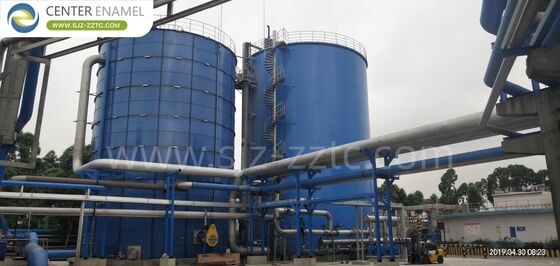
Wykonawca EPC w zakresie odpadów kuchennych w Turcji: Rozwiązania biogazowe z zbiornikami GFS i procesem CSTR
| Miejsce pochodzenia: | Chiny |
| Nazwa handlowa: | CEC TANKS |
| Orzecznictwo: | ISO 9001:2008, AWWA D103 , OSHA , BSCI |
| Numer modelu: | W |
| Minimalne zamówienie: | 1 zestaw |
| Cena: | $5000~$20000 one set |
| Szczegóły pakowania: | Pianka PE pomiędzy dwiema płytami stalowymi; drewniana paleta i drewno |
| Czas dostawy: | 10-30 dni po otrzymaniu depozytu |
| Zasady płatności: | L/C, T/T |
| Możliwość Supply: | 60 zestawów miesięcznie |
|
Szczegółowe informacje |
|||
| Miejsce pochodzenia | Chiny | Nazwa handlowa | CEC TANKS |
|---|---|---|---|
| Orzecznictwo | ISO 9001:2008, AWWA D103 , OSHA , BSCI | Numer modelu | W |
| Kolor korpusu zbiornika: | Ciemnozielony / można dostosować | Integralność korozji: | Doskonały |
| Grubość blach stalowych: | 3 mm do 12 mm, w zależności od konstrukcji zbiornika | Odporność chemiczna: | Doskonały |
| Rozmiar panelu: | 2,4 mln * 1,2 mln | Łatwe do czyszczenia: | Gładki, błyszczący, obojętny, antyadhezyjny |
| Podkreślić: | Wykonawca EPC w zakresie odpadów kuchni,roztworów biogazowych z zbiornikami GFS,oczyszczania ścieków z procesów CSTR |
||
Opis produktu
W tym artykule zbadano, w jaki sposób profesjonalne usługi kontraktowe EPC, zintegrowane z zaawansowanymi zbiornikami GFS i procesem CSTR, oferują zrównoważoną i wydajną ścieżkę przekształcania odpadów kuchennych w energię odnawialną w Turcji.
Ponieważ Turcja doświadcza silnego wzrostu gospodarczego i urbanizacji, ilość organicznych odpadów kuchennych wytwarzanych w głównych miastach i ośrodkach przemysłowych osiągnęła poziom krytyczny. Tradycyjne metody usuwania, w szczególności opieranie się na regionalnych składowiskach, stwarzają poważne wyzwania, w tym poważne zanieczyszczenie odorami, zanieczyszczenie wód gruntowych i nieefektywne wykorzystanie gruntów. Wysoka zawartość wilgoci i szybkie tempo rozkładu odpadów spożywczych komplikują tradycyjne procesy obsługi, dlatego konieczne jest zastosowanie nowoczesnych technologii przetwarzania w obiegu zamkniętym. Bez profesjonalnej interwencji te odpady organiczne stanowią utraconą szansę na odzyskanie zasobów i rosnące źródło emisji gazów cieplarnianych. Wdrażanie zaawansowanych, zlokalizowanych rozwiązań w zakresie przetwarzania jest obecnie najwyższym priorytetem zrównoważonej gospodarki odpadami.
Przekształcanie odpadów kuchennych w biogaz to proces transformacyjny, który wykorzystuje fermentację beztlenową w celu stabilizacji materiału organicznego i produkcji energii. Izolując odpady w kontrolowanym, pozbawionym tlenu środowisku, złożona materia organiczna jest rozkładana przez mikroorganizmy na biogaz — czyste, odnawialne źródło paliwa. Korzyści są wielorakie: proces ten łagodzi wpływ usuwania odpadów na środowisko, zmniejsza ślad węglowy i wytwarza wysokiej jakości poferment, który można ponownie wykorzystać jako nawóz organiczny dla tureckiego sektora rolnego. Przejście na technologię biogazu skutecznie zmienia codzienne wyzwania związane z odpadami miejskimi w strategiczne rozwiązanie w zakresie energii o obiegu zamkniętym, które przynosi korzyści zarówno gospodarce, jak i środowisku.
Center Enamel zapewnia kompleksowe, profesjonalne rozwiązania projektowe dostosowane specjalnie do unikalnych wymagań operacyjnych projektów biogazowych w całej Turcji. Nasz zespół inżynierów wykorzystuje szczegółową analizę surowców i ocenę specyficzną dla danego miejsca, aby zapewnić, że każdy system jest idealnie skalibrowany pod kątem optymalnej wydajności. Integrując najnowocześniejszą technologię procesową z trwałą infrastrukturą o wysokich specyfikacjach, dostarczamy instalacje biogazu, które są nie tylko wydajne i bezpieczne, ale także zaprojektowane z myślą o długoterminowym sukcesie operacyjnym. Nasza wiedza specjalistyczna w zakresie projektowania procesów biochemicznych i inżynierii infrastruktury gwarantuje, że każdy projekt spełnia międzynarodowe standardy, jednocześnie uwzględniając specyficzne potrzeby regulacyjne i operacyjne rynku tureckiego.
Proces CSTR (reaktor ze zbiornikiem o ciągłym mieszaniu) to nasza podstawowa technologia oczyszczania beztlenowego, opracowana specjalnie dla surowców o dużej zawartości zawieszonych cząstek stałych i wysokich stężeń substancji organicznych. Reaktor CSTR działa w całkowicie szczelnym środowisku o regulowanej temperaturze. Jest wyposażony w wysokowydajne mechaniczne urządzenie mieszające, które utrzymuje stały stan pełnego wymieszania, co jest niezbędne dla zapewnienia bezpośredniego kontaktu mikroorganizmów z surowcem odpadowym. Ten rygorystyczny stan mieszania pozwala na konsekwentną degradację złożonych materiałów organicznych, maksymalizując uzysk biogazu i zapewniając utrzymanie wysokiej produktywności obiektu nawet podczas przetwarzania odpadów kuchennych o różnym składzie.
Zbiorniki GFS firmy Center Enamel wyznaczają standardy branżowe w zakresie magazynowania biogazu. Nasz proces produkcyjny, który obejmuje stapianie stopionego szkła z płytami stalowymi w ekstremalnych temperaturach, skutkuje obojętnym, nieorganicznym wiązaniem, które zapewnia niezrównaną odporność na korozję i trwałość. W dalszym ciągu optymalizujemy te zbiorniki za pomocą naszego zintegrowanego systemu dachu z podwójną membraną. To rozwiązanie zostało specjalnie zaprojektowane, aby zapewnić znaczną optymalizację kosztów i doskonałą efektywność wykorzystania przestrzeni. Działając jako wbudowana konstrukcja magazynu gazu, dach z podwójną membraną eliminuje potrzebę stosowania oddzielnych zbiorników gazu, znacznie zmniejszając całkowity obszar budowy i nakłady inwestycyjne.
Center Enamel zapewnia wszechstronną gamę konfiguracji przechowywania i przykrywania, aby sprostać różnorodnym potrzebom technicznym naszych projektów:
- Zbiorniki ze stali ocynkowanej:Zbiorniki te wykorzystują specjalistyczny proces galwanizacji, aby stworzyć mocną, odporną na zużycie i trwałą powłokę ochronną, idealną do spełnienia wymagań związanych z magazynowaniem.
- Zbiorniki z żywicy epoksydowej łączonej metodą stapiania (FBE):Dzięki naszej współpracy ze światowymi liderami oferujemy zbiorniki FBE z innowacyjną technologią powlekania, która zapewnia wyjątkową odporność chemiczną i integralność strukturalną.
- Zbiorniki ze stali nierdzewnej:Nasze wysokiej jakości zbiorniki ze stali nierdzewnej AISI 304/316 zostały zaprojektowane tak, aby spełniać najbardziej rygorystyczne wymagania dotyczące zastosowań o wysokiej czystości lub pracy w wyjątkowo trudnych, korozyjnych środowiskach.
Aby zagwarantować bezproblemową, kompleksową wydajność systemu, nasze projekty są w pełni wyposażone w specjalistyczne komponenty o wysokiej wydajności:
- Uchwyt gazu i czarna membrana:Zintegrowane, trwałe rozwiązania przeznaczone do bezpiecznego i skalowalnego magazynowania wytworzonego biogazu.
- Separator ciało stałe-ciecz:Jednostka krytyczna, która wstępnie przetwarza odpady w celu zapewnienia optymalnej konsystencji surowca dla reaktora.
- System palnika:Zapewnia bezpieczne, kontrolowane spalanie nadmiaru biogazu, zachowując zgodność z wymogami ochrony środowiska.
- Pompa podnosząca:Pompy klasy przemysłowej o wysokiej trwałości, zaprojektowane specjalnie do tłoczenia gnojowicy z odpadów spożywczych o dużej lepkości.
- Zbiornik odwadniania i odsiarczania:Niezbędna jednostka do udoskonalenia jakości biogazu poprzez usunięcie wilgoci i siarki, przygotowując go do końcowego wykorzystania.
- Maszyna do odwadniania osadów śrubowych:Optymalizuje fazę po fermentacji, skutecznie zmniejszając objętość osadu i poprawiając ogólną trwałość procesu.
Center Enamel działa jako kompleksowy, kompleksowy dostawca rozwiązań na wszystkich etapach projektu biogazowego w Turcji. Nasz zintegrowany model usług EPC (inżynieria, zaopatrzenie i budowa) zapewnia doskonałość od początku do końca:
- Usługa EPC:Zarządzamy całym cyklem życia projektu, w tym wstępnym projektem, zaopatrzeniem i końcową budową na miejscu, zapewniając terminową dostawę i gotowość operacyjną.
- Pakiet procesowy:Zapewniamy dostosowaną do potrzeb optymalizację procesów biochemicznych, zapewniając, że nasze reaktory są idealnie skalibrowane pod kątem konkretnego surowca organicznego.
- Dostawa sprzętu:Jako bezpośredni producent dostarczamy najwyższej jakości komponenty podstawowe, zapewniając doskonałą kompatybilność, niezawodność systemu i niezrównaną długoterminową wydajność.
Wdrożenie zaawansowanej technologii biogazu, obejmującej zbiorniki GFS i proces CSTR, zapewnia Turcji istotną szansę na modernizację sektora gospodarki odpadami. Center Enamel jest niezawodnym wykonawcą EPC, dostarczającym wiedzę techniczną, solidny sprzęt i kompleksowe usługi niezbędne do przekształcenia odpadów kuchennych w cenne źródło energii odnawialnej. Dzięki współpracy z nami projekty komunalne i przemysłowe mogą osiągnąć doskonałe wyniki w zakresie zrównoważonego rozwoju, zmniejszyć zanieczyszczenie środowiska i znacząco przyczynić się do osiągnięcia krajowych celów w zakresie energii odnawialnej i gospodarki o obiegu zamkniętym, zapewniając czystszą przyszłość.
- Jak mieszadło CSTR radzi sobie z odpadami organicznymi zawierającymi ciężkie zanieczyszczenia? Nasz mechaniczny system mieszania został zaprojektowany z myślą o transporcie dużej ilości substancji stałych i wykorzystuje specjalistyczną konstrukcję łopatek, która zapobiega osadzaniu się i utrzymuje ciężkie materiały w zawiesinie podczas fermentacji.
- Czy powłoka zbiornika GFS jest zgodna z właściwościami chemicznymi pofermentu z odpadów kuchennych? Tak, spoiwo ze szkła stapianego w wysokiej temperaturze jest chemicznie obojętne i wysoce odporne na kwaśny i zasadowy charakter pofermentu, zapewniając długoterminową trwałość zbiornika.
- Czy Center Enamel może zapewnić zarządzanie projektem modernizacji obiektu? Tak, jako doświadczony wykonawca EPC, specjalizujemy się zarówno w projektach biogazowych typu greenfield, jak i profesjonalnej modernizacji istniejącej infrastruktury w celu poprawy wydajności.